
Assertive Community Treatment (ACT) Team Member
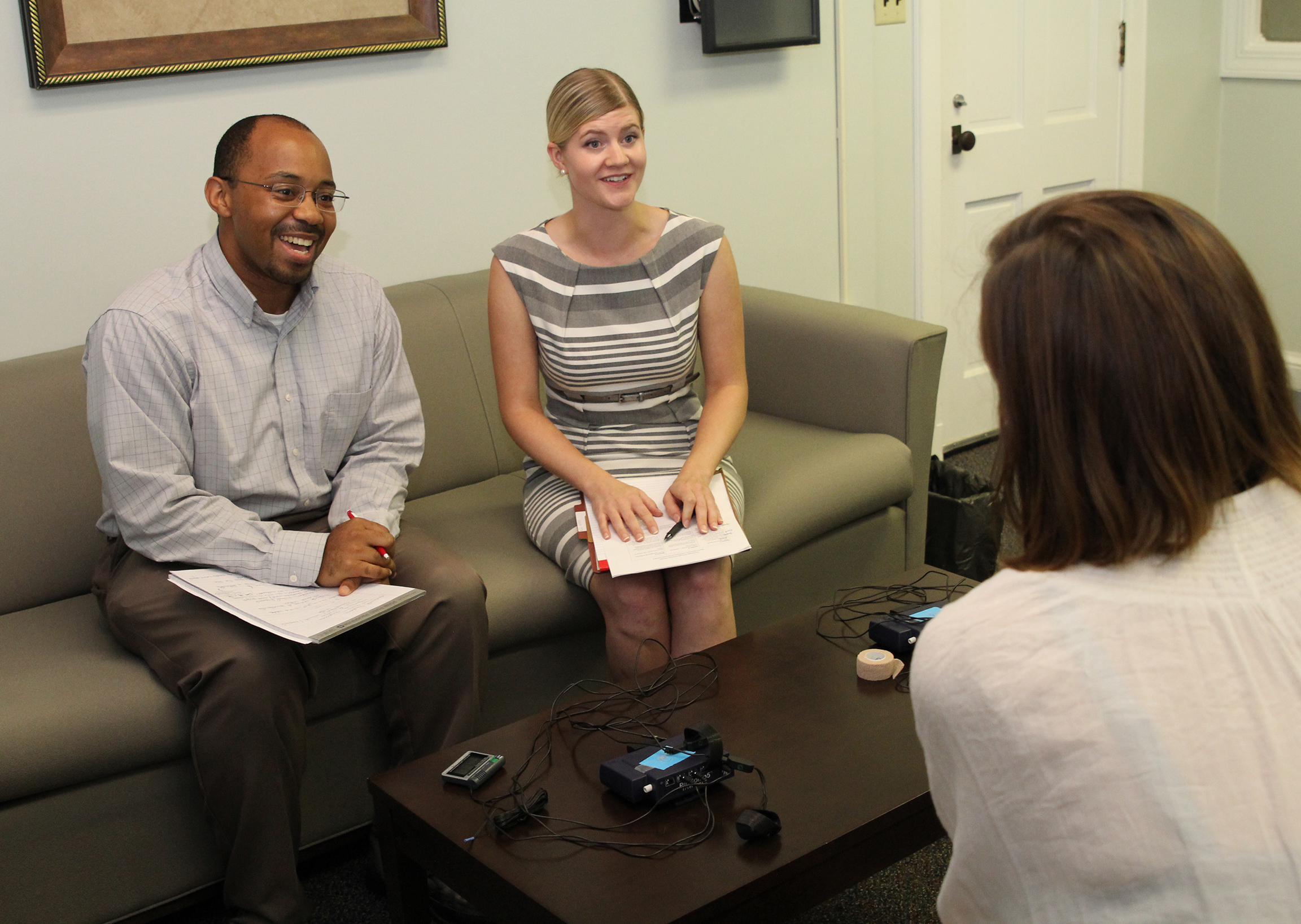
You can be a member of an Assertive Community Treatment multidisciplinary team, applying your understanding of human behavior to assisting individuals with mental illness with their case management needs, accessing community resources, providing emotional support and encouragement, and coaching independent living and social/relational skills.

Behavioral Health Technician (BHT)
You can provide direct care and supervision to individuals receiving behavioral health services, supporting treatment activities, monitoring safety and well-being, assisting with daily routines, and working as part of a treatment team in residential, crisis, or inpatient settings.

Case Manager
You can work as a case manager supporting individuals with mental health and/or substance use needs by helping them access treatment, housing, employment, and community resources, coordinating services across providers, monitoring progress, and providing ongoing support to promote stability and recovery.

Community Support Individual (CSI)
You can provide one-on-one community-based support to individuals with mental illness, helping them build daily living skills, improve social functioning, manage symptoms, and work toward personal recovery goals while remaining engaged in services.

988 Crisis Call Center Responder
You can be a 9-8-8 Call Center responder, providing immediate emotional support, crisis intervention and resources to individuals in emotional distress or crisis via phone, chat or text.
Mobile Crisis Response Team Member
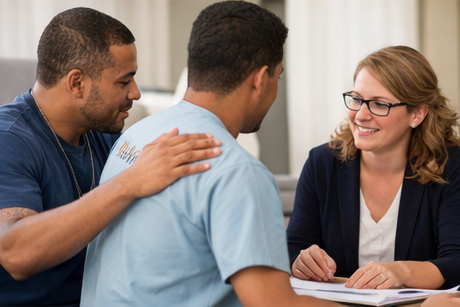
You can be a member of a 2-person Mobile Crisis Response Team, paired with a mental health professional, to provide immediate, on-the-ground support and crisis intervention to individuals experiencing mental health or substance use crises. You’ll work collaboratively with community partners to de-escalate situations and use your skills to ensure safety and access to appropriate care after the crisis.

Crisis Stabilization Unit Support Staff
You can work in a psychiatric hospital or crisis stabilization unit to provide direct patient care and support to individuals, assisting with daily activities, monitoring well-being, and implementing treatment plans under the supervision of nurses and doctors.

Certified Peer Specialist (CPS)
If you have lived experience with your own mental health and/or substance use recovery, you can become a Certified Peer Specialist (CPS) and provide ongoing support and guidance to others facing similar challenges, promoting recovery and resilience.
Family Support Partner / Family Peer Support
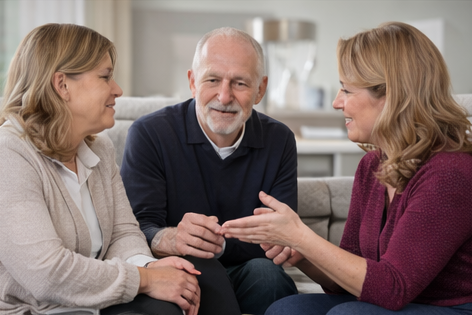
You can support parents and caregivers of individuals with mental health and/or substance use needs by helping families navigate services, understand treatment options, advocate for others, and build skills to support recovery within the family system.

Residential Aide / Residential Instructor
You can work in group homes or supportive housing programs providing supervision, structure, and assistance with daily living activities, helping residents build independence, maintain stability, and engage in their treatment and recovery goals.

Care Coordination Assistant
You can support care coordination teams by assisting with service referrals, documentation, follow-up with clients and providers, and helping ensure individuals receive timely and appropriate behavioral health and social services.
Intake Specialist
You can serve as a first point of contact for individuals seeking services by conducting screenings, gathering background information, determining eligibility, and helping connect individuals and families to appropriate behavioral health programs and supports.

Program Assistant / Program Coordinator
You can support behavioral health programs through administrative and coordination activities such as scheduling, data tracking, reporting, event planning, and assisting staff in delivering services effectively and efficiently.

Patient Services Representative
You can work in a clinic or community mental health setting providing front-desk and client support functions, including scheduling appointments, assisting with paperwork, answering questions, and helping individuals navigate the service system.
See jobs at
Georgia Department of Behavioral Health and Developmental Disabilities
Launch or advance your behavioral health career through statewide employment opportunities.
Georgia Association of Community Service Boards
Pursue a behavioral health career delivering frontline, community-based services.
Georgia Collaborative Administrative Services Organization
Apply your behavioral health expertise in system-level and care coordination roles.
Contact
Questions about careers, internships, or pathways into behavioral health?
- Email: Wendy.Tiegreen@uga.edu
*Which bachelor's degrees fit best?
Anything related to the social sciences. Examples:
- Psychology
- Human Development
- Social Work
- Behavioral Health