
As part of our Clinical Nutrition Interventions course, dietetics students publish blog posts on this site—debunking nutrition myths and critiquing fad diets, while building their media skills. Each post is reviewed by UGA dietetic interns to ensure evidence-based messaging and to provide mentorship.
-

-

-

-

-

-

-

-

-

-

-

-

-

-

-

-

-

-

-

-

-

-

-

-

-

-

-

-

-

-

-

-

-

-

-

-

-

-

-

-
-

-

-
-
-

-

Intermittent Fasting: Supportive or skipping meals in disguise?
February 20, 2026
By: Carsyn Bassett
-


The Good, the bad, and the downright confusing about carbs!
February 21, 2026
By: Kelly Quinn, MPH
For years, the debate has raged on the pros and cons of carbohydrates in the diet. Some say they're necessary for your body and the preferred fuel source for the brain. Others blame them for making people gain weight. But what does current science tell us? Researchers have spent decades tracking hundreds of thousands of people to find out what really happens when we eat different types of carbohydrates. What they discovered is much more interesting than simple "carbs are bad" or "carbs are good" messages.
The Type of Carb Matters More Than the Amount
The biggest discovery from recent research is that where your carbs come from may matter much more than how many you eat. A major study published in the British Medical Journal followed 136,432 health professionals for up to 28 years (Wan et al., 2023). The results were eye-opening.
Over 4 years, when people increased their intake by 100 grams of carbohydrate per day from non-starchy vegetables (broccoli, lettuce, peppers) and fruit, they gained 1.6-3 kg less weight. For those who increased their intake by 100 grams of refined grains (white bread, crackers, cookies) and starchy vegetables (potatoes, corn), they gained 0.8-2.6 kg more weight than the fruits and vegetable consumers. The takeaway? The food itself matters more than just counting carbs. Foods rich in natural fiber (a type of carb that takes extra effort to digest) and nutrients affect your body very differently than processed carbs.
Storing Fat May Make You Hungry, Not the Other Way Around
We usually think weight gain works like this: you eat too much, so your body stores the extra calories as fat. Some scientists propose that the opposite might be true. This idea, called the Carbohydrate-Insulin Model (CIM), is detailed in a paper by Ludwig et al (2021).
Here's how the researchers propose it works:
- You eat processed carbs (like white bread, fries, or candy)
- Your body releases lots of insulin, which tells your fat cells to grab and store calories from your blood
- A few hours later, your blood is low on fuel, and your brain and muscles are running on empty
- Your brain notices this and creates intense cravings for quick energy, which means more fast-acting carbs
While compelling, the CIM cannot establish a causal relationship here and the researchers rightly note that it is difficult to accurately track daily calories outside a controlled environment. Therefore, it may be easier to track what you are eating rather than how much.
Sometimes Science Gets Confusing
Nutrition science is complicated, and studies don't always agree. A large study by Tammi et al (2023) followed over 8,300 Finnish adults for seven years. Results seemed to contradict everything else as the researchers found no connection between total carbs, fiber, or sugar and weight gain.
Before you think this means sugar in excess is fine, the researchers explained why these results might be misleading:
- People lie about food: It's very common for people to misreport what they actually eat in studies
- Good and bad cancel out: When you lump all carbs together, the benefits of good carbs (like vegetables) and the problems from bad carbs (like refined starches) might just cancel each other out in the data
- Different diets: People in Finland may drink fewer sugary sodas than people in other Western countries, which could change the results
The Bottom Line: Ask a Better Question
The research isn't finished, and future studies in this area are needed. The evidence is building toward one clear message: carbs from whole foods like vegetables, fruits, and minimally processed grains seem to help with weight management. So instead of asking "How many carbs should I eat?" maybe ask yourself: "Where are my carbs coming from?"
When it comes to navigating nutrition messages, recommendations for individuals are specific and vary based on age, medication use, and diagnosed health conditions. Seeking the advice of a registered dietitian nutritionist can help you sift through messages that promote health vs. hype. To find an RDN, use the Find a Nutrition Expert tool at www.eatright.org.
Reviewed by Sloane Stoklosa, UGA Dietetic Intern
References
Ludwig, D. S., Aronne, L. J., Astrup, A., et al (2021). The carbohydrate-insulin model: A physiological perspective on the obesity pandemic. The American Journal of Clinical Nutrition, 114(6), 1873–1885.
Tammi, R., Männistö, S., Harald, K., et al (2023). Different carbohydrate exposures and weight gain—results from a pooled analysis of three population-based studies. International Journal of Obesity, 47(8), 743–749.
Wan, Y., Tobias, D. K., Dennis, K. K., et al (2023). Association between changes in carbohydrate intake and long term weight changes: Prospective cohort study. BMJ, 382.
Pledge of Professional Civility
- I pledge to demonstrate respect to my colleagues and all others.
- I pledge to support constructive dialogue and positive engagement.
- I pledge to discourage the public belittling of my colleagues, even when we do not agree.
- I pledge to model professional conduct in all my public communications and actions.
Electrolytes aren’t for everyone: Rethinking daily sodium intake
February 21, 2026
By: Molly Piller
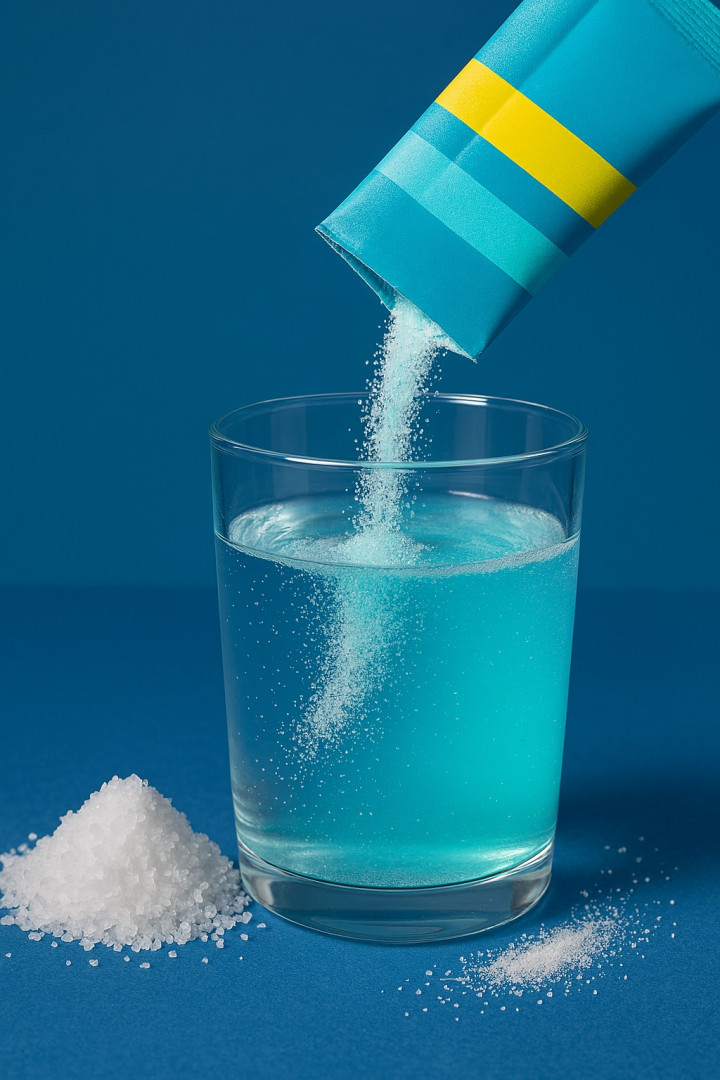
Electrolyte supplements have become extremely popular on social media, driven by influencers and new brands that claim electrolytes are essential for hydration, skin health, energy, and even weight loss. As a result, many people are adding electrolyte packets to their water daily without understanding they are adding a significant amount of sodium to their diet.
What are electrolytes?
Electrolytes are electrically charged minerals that maintain a cellular balance. When dissolved in water, they can support hydration, nerve function, and muscle contraction. The primary electrolytes found in our bodies and in supplements are sodium, potassium, and magnesium. Sodium is the most abundant electrolyte in the human body, as it regulates fluid balance and blood pressure (Shrimanker and Bhattarai, 2023).
What does an electrolyte supplement contain?
The main electrolyte packets currently on the market contain a significant amount of the daily sodium recommendation. Let’s take a look at some of the most popular electrolyte packet supplements.
Brand A:
- Sodium: 560 mg
- Potassium: 370 mg
- Magnesium: none
Brand B:
- Sodium: 330 mg
- Potassium: 185 mg
- Magnesium: 39mg
Brand C:
- Sodium: 1000 mg
- Potassium: 200 mg
- Magnesium: 60mg
As you can see, sodium is the dominant electrolyte in these packets, often making up a large portion of the formula. A single serving can provide 15-40% of the recommended daily sodium limit.
Should you be consuming an electrolyte supplement every day?
Most Americans consume too much sodium (CDC, 2024). While the body needs a small amount of sodium to function correctly, excessive intake can raise blood pressure, a risk factor for heart disease. The Daily Value for sodium is less than 2,300 mg per day, while individuals at higher risk of hypertension should limit intake to 1,500 mg (FDA, 2023). Sodium is found in many commonly consumed foods, including bread, soups, pasta, rice, meats, desserts, and condiments. Americans often underestimate their sodium intake when eating out because restaurant meals frequently contain hidden sodium that is not obvious to consumers (Moran et al., 2017). On average, Americans consume approximately 3,300 mg of sodium daily (CDC, 2024). Even without closely monitoring intake, the body effectively regulates sodium levels and maintains electrolyte balance, even after periods of sweating. Adding an electrolyte packet daily can significantly increase your sodium intake. Unless someone is engaging in prolonged physical activity of over 60 minutes per day at vigorous intensity or in high heat, has a medical condition requiring electrolyte replacement, or has been advised by a healthcare professional, daily electrolyte supplementation is unnecessary (AHA, 2024).
Bottom Line
Electrolyte supplements are primarily intended for individuals participating in prolonged, high-intensity physical activity, when substantial fluid and electrolyte losses occur through sweating (Shirreffs & Sawka, 2011). For the general population, electrolyte supplements are not needed daily. Water alone is adequate for hydration, and a balanced diet is sufficient to regulate electrolyte levels. In contrast, excessive sodium intake from electrolyte products may do more harm than good.
When it comes to navigating nutrition messages, recommendations for individuals are specific and vary based on age, medication use, and diagnosed health conditions. Seeking the advice of a registered dietitian nutritionist can help you sift through messages that promote health vs. hype. To find an RDN, use the Find a Nutrition Expert tool at www.eatright.org.
Reviewed by Renee Hutton, UGA Dietetic Intern
References
American Heart Association. (2024). Electrolytes can give the body a charge, but try not to overdo it. Internet:
https://www.heart.org/en/news/2024/06/19/electrolytes-can-give-the-body-a-charge-but-try-not-to-overdo-it (accessed 11 February 2026).
Centers for Disease Control and Prevention. (2024). About Sodium and Health. Internet:
https://www.cdc.gov/salt/about/index.html (accessed 11 February 2026).
Food and Drug Administration. (2023). Sodium in Your Diet. Internet:
https://www.fda.gov/food/nutrition-education-resources-materials/sodium-your-diet (accessed 11 February 2026).
Moran, A. J., Ramirez, M., & Block, J. P. (2017). Consumer underestimation of sodium in fast food restaurant meals: Results from a cross-sectional observational study. Appetite, 113, 155–161.
Shrimanker, I. and Bhattarai S. National Library of Medicine. (2023). Electrolytes. In StatPearls. Internet: https://www.ncbi.nlm.nih.gov/books/NBK541123/ (accessed 11 February 2026).
Shirreffs, S. M., & Sawka, M. N. (2011). Fluid and electrolyte needs for training, competition, and recovery. Journal of Sports Sciences, 29(Suppl. 1), S39–S46.
Pledge of Professional Civility
- I pledge to demonstrate respect to my colleagues and all others.
- I pledge to support constructive dialogue and positive engagement.
- I pledge to discourage the public belittling of my colleagues, even when we do not agree.
- I pledge to model professional conduct in all my public communications and actions.

Does apple cider vinegar every day keep the doctor away?
February 21, 2026
By: Kelsey Shipp
More than ever, people are turning to quick and efficient ways to improve their health. For this reason, the pantry staple apple cider vinegar (ACV) has received a lot of attention over the decades, with hopes that it is the secret to weight loss and wellness.
What is apple cider vinegar?
Apple cider vinegar is a vinegar made from fermented apple juice, and acetic acid is the main active component. Due to the fermentation process, ACV contains probiotics, and limited amounts of vitamins, and minerals, such as sodium, calcium, and iron (Williamson 2024). When it is in liquid form, it is considered a food; when it is in gummy, pill, or other form, it is considered a dietary supplement (Operation Supplement Safety 2020). Apple cider vinegar is tart and can be used as a flavoring in the kitchen, but recently claimed to have health-centered effects, including blood sugar control, weight loss, digestive support, and immune support (Williamson 2024).
Potential benefits
There are some benefits to consuming ACV daily; however, the evidence is weak to moderate. The most supported claim is that ACV may lower fasting blood glucose (Williamson 2024). Studies have shown that no more than 15 mL of ACV daily may reduce fasting blood glucose in people with Type 2 Diabetes (Hadi et al. 2021). Additionally, there is evidence that suggests ACV can reduce total cholesterol levels, particularly in people with Type 2 Diabetes and those with a higher body mass index (Hadi et al. 2021). The acetic acid component of ACV is most likely responsible for these effects, as a 2021 study of dietary acetic acid supplementation found similar results (Valdes et al. 2021). It is important to note that most of these studies were small and short-term (less than 12 weeks), so results should be interpreted carefully (AND 2021).
Considerations
The benefits of ACV have been exaggerated on social media as many claims have stated that ACV will “burn calories” or improve digestion; however, there is little evidence that supports this. In fact, due to the high acidity, some people may experience more discomfort when consuming ACV (Williamson 2024). Another consideration regarding the high acidity is the effect of daily exposure on dental health, as acid can erode tooth enamel (Operation Supplement Safety 2020; Williamson 2024). Studies have also found no significant change in body mass index with acetic acid supplementation (Valdes et al., 2021).
Bottom line
There is not enough research to support the claim that ACV is a treatment for any chronic disease, nor is it a “quick fix” for morning bloating. Apple cider vinegar is a great addition to salad dressings, sauces, and even beverages, as part of a well-balanced diet that includes fruits, vegetables, protein, grains, and dairy (AND 2021; Williamson 2021). More studies are needed to assess the safety and efficacy of ACV as a treatment for chronic conditions and as a dietary supplement.
When it comes to navigating nutrition messages, recommendations for individuals are specific and vary based on age, medication use, and diagnosed health conditions. Seeking the advice of a registered dietitian nutritionist can help you sift through messages that promote health vs. hype. To find an RDN, use the Find a Nutrition Expert tool at www.eatright.org.
Reviewed by Jacob Pursell, UGA Dietetic Intern
References
Academy of Nutrition and Dietetics. Is vinegar an effective treatment for chronic conditions? 2021. Internet: https://www.eatrightpro.org/news-center/practice-trends/is-vinegar-an-effective-treatment-for-chronic-conditions (accessed 22 January 2026).
Hadi A, Pourmasoumi M, Najafgholizadeh A, Clark CCT, Esmaillzadeh A. The effect of apple cider vinegar on lipid profiles and glycemic parameters: A systematic review and meta-analysis of randomized clinical trials. 2021. BMC Complement Med Ther. 21(179):1-12.
Operation Supplement Safety. Apple cider vinegar in dietary supplements. 2020. Internet: https://www.opss.org/article/apple-cider-vinegar-dietary-supplements (accessed 22 January 2026).
Valdes DS, So D, Gill PA, Kellow NJ. Effect of dietary acetic acid supplementation on plasma glucose, lipid profiles, and body mass index in human adults: A systematic review and meta-analysis. 2021. JAND 121(5):895-914.
Williamson L. What can apple cider vinegar really do for your health? 2024. American Heart Association. Internet: https://www.heart.org/en/news/2024/09/11/what-can-apple-cider-vinegar-really-do-for-your-health (accessed 22 January 2026).
Pledge of Professional Civility
- I pledge to demonstrate respect to my colleagues and all others.
- I pledge to support constructive dialogue and positive engagement.
- I pledge to discourage the public belittling of my colleagues, even when we do not agree.
- I pledge to model professional conduct in all my public communications and actions.

Do detox teas really cleanse your body?
February 21, 2026
By: Jordyn Mohan
The Promise Behind Detox Teas
Detox teas are often marketed as an easy way to “cleanse” the body, boost energy, or help with weight loss. These advertisements make it sound so simple, drink a cup of tea and feel healthier, but the research tells a different story. Detox teas don’t work as advertised and, in some cases, can even cause harm. Understanding what these products can and cannot do will help you make safer choices for your health.
You Don’t Need a Tea to Detox
Your body already has its own built-in detox system that works around the clock. The liver, kidneys, lungs, skin, and digestive tract work together every day to remove waste products without the help of special teas or cleanses. Research has not shown evidence that detox teas or detox products remove toxins or improve long-term health (Klein and Kiat 2015). Many of these detox programs fail even to identify which “toxins” they target or how their ingredients will help remove them. These claims are made by marketing, not science.
Some detox teas can also cause real health problems. Several case reports describe people developing dangerously low sodium levels after using detox teas (Soliman et al. 2018; Gillett et al. 2021). These individuals experienced symptoms like nausea, confusion, seizures, and required hospitalization. This can happen when these detox teas contain herbs that act as diuretics or laxatives, causing the body to lose too much fluid and electrolytes.
What We Know About Herbal Supplement Safety
There are broader safety concerns with herbal supplements in general. Because dietary supplements do not have to prove their safety or effectiveness before being sold, consumers may not always know what they are taking or how these ingredients interact with medications (NIH ODS, 2022). The Office of Dietary Supplements also explains that many weight-loss or detox-type supplements contain multiple herbal ingredients, and some have been linked to adverse side effects. For example, ingredients such as green tea extract and bitter orange have been associated with liver issues, high blood pressure, and heart-related symptoms (NIH ODS, 2022).
Bottom Line
So, what actually helps your body’s natural detox system? The basics matter more than any supplement. A balanced diet, good hydration, and enough sleep give your body exactly what it needs to do its natural detox work (AND, 2022). These habits are safe, realistic, and backed by research, unlike detox teas. More research is needed to fully understand the safety of detox teas and herbal detox products. But based on what we know right now, detox teas don’t remove toxins, and they may put your health at risk.
When it comes to navigating nutrition messages, recommendations for individuals are specific and vary based on age, medication use, and diagnosed health conditions. Seeking the advice of a registered dietitian nutritionist can help you sift through messages that promote health vs. hype. To find an RDN, use the Find a Nutrition Expert tool at www.eatright.org.
Reviewed by Lauren Suiter, UGA Dietetic Intern
References
Academy of Nutrition and Dietetics. What’s the Deal with Detox Diets? 2022. Internet: https://www.eatright.org/health/wellness/diet-trends/whats-the-deal-with-detox-diets (accessed 26 January 2026)
Gillett G, Shivakumar N, James A, and Salmon J. Acute Severe Hyponatremia Following use of “Detox Tea”. 2021. Cureus. 13(3):e14184.
Klein AV and Kiat J. Detox diets for toxin elimination and weight management: a critical review of the evidence. 2015. J Hum Nutr Diet. 28(6):675-686.
National Institutes of Health Office of Dietary Supplements. Dietary Supplements for Weight Loss. May 2022. Internet: https://ods.od.nih.gov/factsheets/WeightLoss-HealthProfessional/#disc (accessed 26 January 2026).
Soliman M, Fuller W, Usmani N, and Akanbi O. Acute Severe Hyponatremia as a Serious Health Implication of Herbal Detox Regimens. 2018. Cureus. 10(12):e3697.
Pledge of Professional Civility
- I pledge to demonstrate respect to my colleagues and all others.
- I pledge to support constructive dialogue and positive engagement.
- I pledge to discourage the public belittling of my colleagues, even when we do not agree.
- I pledge to model professional conduct in all my public communications and actions.

Fibermaxxing: Gut boost or gut bust?
February 21, 2026
By: Savannah Regnier
We could all use a major fiber boost in our diets, as only about 5% of Americans meet the Institute of Medicine (IOM) recommendations for daily fiber intake (Quagliani and Felt-Gunderson 2016). However, social media may have found the solution to this problem. "Fibermaxxing" is the latest trend to help everyone meet and exceed their daily fiber needs (MSKCC 2025).
What is “fibermaxxing”?
Fiber is a type of carbohydrate that is found in most fruits, vegetables, whole grains, nuts, and beans, and helps to slow digestion so you feel fuller for longer (USDA 2026). The goal of "fibermaxxing" is to meet or exceed your daily fiber intake of 25-38 grams for adults. These goals can be met by increasing intake of fiber-rich foods such as fruits, vegetables, beans, lentils, seeds, nuts, and whole grains or by using fiber supplements (AND 2025). Meeting daily fiber recommendations is linked to better digestive health, including the prevention and relief of constipation and chronic diarrhea; reduced risk of heart disease, stroke, and several cancers, particularly colorectal cancer; and a lower risk of developing, as well as improved management of, type 2 diabetes. Adequate fiber intake is also associated with maintaining a healthy body weight (ACS 2025). It's clear that fiber greatly benefits your overall health, but maxing out your daily intake when your body isn't used to it can be challenging.
Feed your gut
An alternative approach to adding fiber to your diet is to gradually add small amounts to your meals, rather than maxing out your daily intake all at once. Adding too much fiber to your diet at once, if your body is not used to it, may cause gas and intestinal distress. Some great ways to add fiber to your meals are to eat more fruits and vegetables, switch to whole-grain bread or pasta occasionally, and add beans to your salad or soup (AND 2025). It is also important to drink plenty of fluids as your body transitions to increased fiber intake to reduce symptoms such as abdominal discomfort and bloating (MSKCC 2025).
Bottom line
While this trend pushes fiber intake to extremes, "fibermaxxing" does promote increased daily fiber intake, which is associated with better digestive health, a lowered risk of heart disease, stroke, and cancer, and better weight and type 2 diabetes management. As for overloading your body with more fiber than recommended, there is no evidence that it will improve your health beyond consuming the daily recommendations. More research is needed to determine whether exceeding current fiber intake recommendations could be beneficial.
When it comes to navigating nutrition messages, recommendations for individuals are specific and vary based on age, medication use, and diagnosed health conditions. Seeking the advice of a registered dietitian nutritionist can help you sift through messages that promote health vs. hype. To find an RDN, use the Find a Nutrition Expert tool at www.eatright.org.
Reviewed by Tyler Mayo, UGA Dietetic Intern
References
Academy of Nutrition and Dietetics. Dietary fiber. 2025. Internet: https://www.eatright.org/health/essential-nutrients/carbohydrates/fiber (accessed 4 February 2025).
American Cancer Society. High-fiber diets. 2025. Internet: https://www.cancer.org/cancer/risk-prevention/diet-physical-activity/eat-healthy/high-fiber-diet.html (accessed 4 February 2026).
Memorial Sloan Kettering Cancer Center. What is “fibermaxxing”?: how a high-fiber diet can help prevent cancer. 2025. Internet: https://www.mskcc.org/news/fiber-and-cancer-risk (accessed 4 February 2026).
Quagliani D, Felt-Gunderson P. Closing America’s fiber intake gap. 2016 Am J Lifestyle Med. 11(1):80-85.
USDA WIC Works Resource System. Eye on nutrition: fiber. 2026. Internet: https://wicworks.fns.usda.gov/resources/eye-nutrition-fiber (accessed 4 February 2026).
Pledge of Professional Civility
- I pledge to demonstrate respect to my colleagues and all others.
- I pledge to support constructive dialogue and positive engagement.
- I pledge to discourage the public belittling of my colleagues, even when we do not agree.
- I pledge to model professional conduct in all my public communications and actions.

Organic hype vs. inorganic reality
February 21, 2026
By: Hollan Rabensdorf
Is organic food more nutritious, or is it just a grocery store marketing scam? The ongoing debate over whether organic foods are optimal for health continues to grow, with many food companies increasingly using organic ingredients. Whether companies are leaning into trends or making a healthy consensus decision, the general public is split on the benefits of eating organic.
What does organic mean?
Organic foods are subject to more complex regulations, including limits on the use of chemicals, pesticides, and fertilizers (Colling et al., 2025). Instead of synthetic farming techniques, organic produce uses natural, biodegradable methods (Vigar et al., 2019). Instead of chemical sprays, farmers rotate their crops and focus on protecting the plant's outer surfaces (Vigar et al., 2019). Another reason for buying organic is environmental concerns, such as reducing chemical inputs into the soil (Rahman et al., 2024).
Are organic foods more nutritious?
Organic foods are thought to be more nutrient-dense than conventional foods; however, research studies are mixed. A comprehensive analysis of the impact of organic foods on health showed that only some organic foods, including broccoli, tomatoes, and leafy vegetables, have higher levels of iron, magnesium, and vitamin C compared to conventional foods (Rahman et al., 2024). In another systematic review, 68 different foods were tested, including fruits, vegetables, cereals, and pulses, and ~40% of foods showed no significant differences in nutrient composition (Thaise et al., 2024).
Does pesticide exposure impact health?
Studies that have tested biomarker levels show significant differences between an organic vs. conventional food diet. For example, consuming a high-organic diet for two weeks reduced urinary excretion of pesticide metabolites (Vigar et al., 2019). This suggests that lower levels of pesticides are entering the body when consuming organic foods. While more research is needed to evaluate the health impacts of pesticide intake over longer periods of time, there is the potential for positive health outcomes, including a lower risk of infertility, reduced birth complications, reduced risk of high BMI, and lower risk of allergic outcomes (Vigar et al., 2019; Rahman et al., 2024).
Bottom line
In general, maintaining an organic diet may be considered as the more nutrient-dense option and might reduce intake of pesticide residues; however, the long-term evidence that organic foods alone will improve health needs further research. Eating a single food or ingredient will not protect someone from ill health or disease.
When it comes to navigating nutrition messages, recommendations for individuals are specific and vary based on age, medication use, and diagnosed health conditions. Seeking the advice of a registered dietitian nutritionist can help you sift through messages that promote health vs. hype. To find an RDN, use the Find a Nutrition Expert tool at www.eatright.org.
Reviewed by Lauren Suiter, UGA Dietetic Intern
References
Colling, K.M., Nave-Blodgett, J.E., Yerkes, B.D., & Lester, B. D. (2025). Organic and Non-Organic Consumer Knowledge, Values, and Information Seeking Behavior. Proceedings of the Human Factors and Ergonomics Society Annual Meeting, 69(1): 2049-2054.
Rahman, A., Baharlouei, P., Koh, E.H.Y., et al (2024). A Comprehensive Analysis of Organic Food: Evaluating Nutritional Value and Impact on Human Health. Foods, 13(2), 208.
Thaise de Oliveira Faoro, D., Artuzo, F.D., et al (2024). Are organics more nutritious than conventional foods? A comprehensive systematic review. Heliyon, 10(7):e28288.
Vigar, V., Myers, S., Oliver, C., Arellano, J., Robinson, S., & Leifert, C. (2019). A Systematic Review of Organic Versus Conventional Food Consumption: Is There a Measurable Benefit on Human Health?. Nutrients, 12(1):7
Pledge of Professional Civility
- I pledge to demonstrate respect to my colleagues and all others.
- I pledge to support constructive dialogue and positive engagement.
- I pledge to discourage the public belittling of my colleagues, even when we do not agree.
- I pledge to model professional conduct in all my public communications and actions.

Do artificial sweeteners really cause cancer?
February 21, 2026
By: Maya Wright
Artificial sweeteners are found in many foods and beverages to add sweetness without the extra calories. They have recently become a hot topic online, as some posts claim they can cause cancer, but is it actually true?
What are artificial sweeteners?
Artificial sweeteners are much sweeter than traditional table sugar (sucrose), and they are found in numerous sugar-free or low-sugar food and beverage products (NCI 2025). The U.S. Food and Drug Administration has approved artificial sweeteners as food additives after following testing procedures to determine their safety (NCI 2025). Since they are so common in the food supply, artificial sweeteners spark many online conversations, especially about their potential negative health effects. One particular concern is the risk of cancer.
Do they really cause cancer?
Recent studies have shown that artificial sweeteners do not cause cancer in humans. According to a 2022 review of prospective studies, there was no reliable association between the consumption of artificial sweeteners and overall cancer incidence or cancer-related mortality (Yan et al. 2022). The scientists noted that while some minor correlations emerged in some groups, they were weak and might have been influenced by other lifestyle factors. Another review examined artificially sweetened beverages and various health outcomes. The data were conflicting and limited by self-reported intake and confounding variables, which make it difficult to know whether sweeteners themselves were responsible for the outcomes (Diaz et al. 2023). One of the most widely used artificial sweeteners, sucralose, was the topic of a study where the authors concluded that sucralose was not carcinogenic and that current intake levels are well below established safety limits (Berry et al. 2016).
Why the confusion?
Numerous studies examining the relationship between artificial sweeteners and cancer are observational, meaning they can reveal patterns but cannot establish a direct cause-and-effect relationship. For instance, people who choose sugar-free products may already have health issues or lifestyle choices that increase their risk of illness. This can be challenging for scientists to distinguish the effects of sweeteners from other aspects of a person's life.
Remembering that no single food or ingredient may either cause or prevent sickness on its own is also crucial. Cancer risk is influenced by a wide range of factors, including genetics, environment, lifestyle, and general eating habits. Online messages that highlight a specific ingredient, such as artificial sweeteners, can divert attention from the larger goal of developing a balanced eating pattern that promotes long-term health.
Bottom line
The current research is limited and cannot prove that artificial sweeteners cause cancer. While some studies have reported mixed findings, the strongest evidence does not support a clear link, and many reported associations are likely influenced by other lifestyle factors. Although more research is still required, concentrating on a single component may divert attention from the most important factors for long-term health.
When it comes to navigating nutrition messages, recommendations for individuals are specific and vary based on age, medication use, and diagnosed health conditions. Seeking the advice of a registered dietitian nutritionist can help you sift through messages that promote health vs. hype. To find an RDN, use the Find a Nutrition Expert tool at www.eatright.org.
Reviewed by Claire Johnson, UGA Dietetic Intern
References
Berry C, Brusick D, Cohen SM, Hardisty JF, Grotz VL, and Williams GM. Sucralose non‑carcinogenicity: A review of the scientific and regulatory rationale. 2016. Nutrition and cancer 68(8):1247‑1261.
Diaz C, Rezende LFM, Sabag A, Lee DH, Ferrari G, Giovannucci EL, and Rey‑Lopez JP. Artificially sweetened beverages and health outcomes: An umbrella review. 2023. Adv Nutr 14(4):710‑717.
National Cancer Institute. Artificial sweeteners and cancer. 2025. Internet: https://www.cancer.gov/about-cancer/causes-prevention/risk/diet/artificial-sweeteners-fact-sheet (accessed 26 January 2026).
Yan S, Yan F, Liu L, Li B, Liu S, and Cui W. Can artificial sweeteners increase the risk of cancer incidence and mortality: Evidence from prospective studies. 2022. Nutrients 14(18):3742.
Pledge of Professional Civility
- I pledge to demonstrate respect to my colleagues and all others.
- I pledge to support constructive dialogue and positive engagement.
- I pledge to discourage the public belittling of my colleagues, even when we do not agree.
- I pledge to model professional conduct in all my public communications and actions.

Seed oils are toxic and inflammatory: myth or reality?
February 21, 2026
By: Jessie Ricco
What are seed oils?
Seed oils come from plant seeds, such as soybean, canola, sunflower, safflower, grapeseed, and corn oil. They are commonly used for cooking and are also frequently found in packaged foods. Seed oils contain mostly unsaturated fats, including polyunsaturated fats like omega-6 fatty acids. Because they are affordable and have a neutral flavor, they are widely used in home kitchens and restaurants.
Why are people avoiding seed oils right now?
On social media, seed oils are often described as “toxic,” “inflammatory,” or harmful to hormones and metabolism. Many posts claim that omega-6 fatty acids automatically cause chronic inflammation and chronic disease, or that seed oils become dangerous when heated. These messages often rely on fear-based language and oversimplify human nutrition research.
Do seed oils cause inflammation?
Inflammation is a normal response to injury or infection, but chronic inflammation can contribute to disease. Although omega-6 fats are often blamed for inflammation, human research does not consistently show that omega-6-rich oils increase inflammatory markers in balanced diets (Johnson & Fritsche, 2012). Some people claim omega-6 fats are inflammatory because linoleic acid, an omega-6 fatty acid, can be converted into arachidonic acid, which plays a role in inflammation. However, only a small portion of linoleic acid is converted, and studies do not show omega-6-rich oils increase inflammatory markers in balanced diets. In fact, a recent systematic review and meta-analysis found that diets higher in polyunsaturated fats (PUFAs) led to small but significant improvements in blood lipid levels compared to monounsaturated fat (MUFA)-rich diets (Prater et al., 2026).
Major health organizations encourage replacing saturated fats (like butter and fatty meats) with unsaturated fats, including polyunsaturated fats. This is important because many people who cut out seed oils may replace them with options higher in saturated fat, which may not support heart health goals depending on their overall diet pattern (Sacks et al., 2017). The Dietary Guidelines for Americans recommend keeping saturated fat intake under 10% of total daily calories, and the American Heart Association recommends an even lower target of about 6% for heart health.
It’s also worth noting that seed oils are frequently used in ultra-processed foods, such as chips, fried foods, pastries, and packaged snacks. Because these foods are often high in added sugars, sodium, and calories, seed oils may be blamed for effects linked to overall diet patterns.
Bottom line
Seed oils are not automatically “toxic,” and current human research does not support the claim that seed oils inherently cause chronic inflammation. Instead of focusing on fear-based nutrition messages about one ingredient, aim for a balanced eating pattern with more whole foods like fruits, vegetables, whole grains, and lean proteins, along with a variety of healthy fats. Research will continue to explore how dietary patterns affect health in different populations, but for most people, worrying about seed oils is less helpful than improving overall diet quality.
When it comes to navigating nutrition messages, recommendations for individuals are specific and vary based on age, medication use, and diagnosed health conditions. Seeking the advice of a registered dietitian nutritionist can help you sift through messages that promote health vs. hype. To find an RDN, use the Find a Nutrition Expert tool at www.eatright.org.
Reviewed by Sloane Stoklosa, UGA Dietetic Intern
References
Harvard Health Publishing. Seeding doubt: The truth about cooking oils. 2022. Internet: https://www.health.harvard.edu/heart-health/seeding-doubt-the-truth-about-cooking-oils (accessed 11 February 2026).
Johnson GH, Fritsche K. Effect of dietary linoleic acid on markers of inflammation in healthy persons: a systematic review of randomized controlled trials. 2012. Journal of the Academy of Nutrition and Dietetics. 112(7):1029-1041.
Prater, M. C., Cogan, B. R., & Cooper, J. A. (2026). Comparison of blood lipid responses to high polyunsaturated fatty acid compared with high monounsaturated fatty acid dietary interventions: A systematic review and meta-analysis. The American Journal of Clinical Nutrition, 123(1):101086.
Sacks, F.M., Lichtenstein, A.H., Wu, J.H.Y., et al. Dietary fats and cardiovascular disease: a presidential advisory from the American Heart Association. 2017. Circulation. 136(3):e1-23.
The Pledge of Professional Civility
- I pledge to demonstrate respect to my colleagues and all others.
- I pledge to support constructive dialogue and positive engagement.
- I pledge to discourage the public belittling of my colleagues, even when we do not agree.
- I pledge to model professional conduct in all my public communications and actions.

Eating protein before sleep: helpful or harmful?
February 21, 2026
By: Claire Peacock
What does protein do for the body?
Everyone is talking about protein these days, and it is almost impossible to walk around the grocery store without noticing protein supplements and high-protein snack options. Suddenly there is a protein version of everything, from chips to pastries to water. Protein gets so much hype because it is the primary component of muscle. To maintain or build muscle, it is vital to eat enough protein for your body (Jager et al. 2017). The Dietary Guidelines for Americans recommend consuming 1.2-1.6 grams of protein per kilogram of body weight (USDA 2026). Most people in the US do not have trouble meeting their protein goals, as the average adult eats about 20% more protein than what is recommended (Harvard School of Public Health 2025). If you are eating enough protein along with weight training but still want to see improvement in muscle growth, perhaps protein timing can offer further benefits.
Does eating protein at night make a difference?
Eating late at night has been a topic of debate for a long time (Jager et al. 2017). Today’s culture tends to associate late-night snacking with poor food choices and excessive intake. However, consuming protein before sleep can actually enhance muscle growth. Studies show that consuming 45 grams of whey or casein protein 30 minutes prior to sleep increases the speed of muscle rebuilding and growth overnight (Trommelen et al. 2023). This benefit is not temporary either. When investigating pre-sleep protein consumption over the course of many weeks, increased muscle size and strength continued (Reis et al. 2021). According to this research, eating protein at night, before going to sleep, can make a difference in muscle growth by increasing its speed. Faster muscle growth leads to bigger gains.
Bottom Line
Protein needs differ for everyone, since no one's body or level of physical activity is the same. Timing of protein consumption also depends on individual tolerance (Jager et al. 2017). Protein supplements can be helpful but are not necessary to reach daily protein intakes. There are countless high-protein food options including chicken, turkey, fish, lentils, beans, tofu, and dairy. For those looking to optimize muscle growth further, eating a portion of daily protein before bed can be beneficial.
When it comes to navigating nutrition messages, recommendations for individuals are specific and vary based on age, medication use, and diagnosed health conditions. Seeking the advice of a registered dietitian nutritionist can help you sift through messages that promote health vs. hype. To find an RDN, use the Find a Nutrition Expert tool at www.eatright.org.
Reviewed by Anoosh Mahum, UGA Dietetic Intern
References
Harvard School of Public Health. Protein is important - but we’re eating too much, experts say. 2025. Internet: https://hsph.harvard.edu/news/protein-is-important-but-were-eating-too-much-experts-say/ (accessed 4 February 2025).
Jager R, Kerksick C, Campbell B, et al. International society of sports nutrition position stand: protein and exercise. 2017. Journal of the International Society of Sports Nutrition 14:20.
Reis C, Loureiro L, Roschel H, Costa, T. Effects of pre-sleep protein consumption on muscle-related outcomes - A systematic review. 2021. Journal of Science and Medicine in Sport 24(2):171-182.
Trommelen J, van Lieshout G, Pabla P, et al. Pre-sleep protein ingestion increases mitochondrial protein synthesis rates during overnight recovery from endurance exercise: A randomized controlled trial. 2023. Sports Medicine 53: 1445-1455.
United States Department of Agriculture and United States Department of Health and Human Services. Dietary Guidelines for Americans, 2025-2030. 2026. Internet: http://www.DietaryGuidelines.gov (accessed 28 January 2026).
Pledge of Professional Civility
- I pledge to demonstrate respect to my colleagues and all others.
- I pledge to support constructive dialogue and positive engagement.
- I pledge to discourage the public belittling of my colleagues, even when we do not agree.
- I pledge to model professional conduct in all my public communications and actions.

Matcha’s health benefits: More than a myth?
February 21, 2026
By: Colleen O’Mahoney
Have you ever heard of matcha? This beautiful green beverage has been trending on social media for the past few years. In fact, according to a BBC article from July 2025, matcha was so popular last summer that global demand for the powder outpaced farmers' ability to produce it in Japan. Of course, it is just as popular in America. Matcha has enjoyed a meteoric rise in popularity in the United States, from a little-known offering at Dunkin' and Starbucks to staggering retail sales growth of 86% in the past three years, as reported in a 2025 New York Times article.
Just a fad?
Is matcha’s recent rise in popularity an instant classic or a flash in the pan? Matcha might be trendy, but it is certainly neither new nor a fad. For centuries, the powder has been made from green tea leaves, providing both its bright hue and alleged health benefits. Those two qualities helped create this recent demand for this coffee alternative, but it raises another question: what health benefits are matcha claimed to have?
The claims
Multiple articles discussing matcha's health benefits have been published over the past few years. In August 2024, Fox News applauded it as beneficial for the brain and liver, citing its high antioxidant content. A year later, in August 2025, Forbes also hailed matcha for its cognitive, heart health, and antioxidant benefits. An earlier article from the New York Times, dated September 2022, praised the caffeine, L-theanine, and antioxidant content. However, many articles assumed that the health benefits of green tea were also found in matcha. In light of that, what does the actual research on matcha powder say about these claims?
The science
Is this earthy beverage as virtuous as it is claimed to be? Yes and no. Matcha has been studied and shown to offer health benefits through its polyphenols, amino acids, and caffeine content, highlighting it’s antioxidative properties (Jacubczyk et al., 2020). In fact, matcha has also been found to contain higher quantities of those compounds than green tea, which is popular for its health benefits (Devkota et al., 2021). With Harvard Health claiming it to contain more caffeine than green tea but less than coffee, it is a smooth pick-me-up that will not leave you feeling jittery. However, these beneficial substances are not equally found across different brands of matcha powder, meaning that the health properties may depend on which you purchase (Dely et al., 2025).
Bottom line
Research the matcha you purchase, and do not assume that matcha made outside the home has these benefits. Not all matcha is made equally, so if you want to receive these health benefits, search for a matcha powder that is third-party tested to make sure it contains those beneficial compounds. With the right brand, matcha can be a tasty, mellow source of caffeine and antioxidants that will put a healthy pep in your step!
When it comes to navigating nutrition messages, recommendations for individuals are specific and vary based on age, medication use, and diagnosed health conditions. Seeking the advice of a registered dietitian nutritionist can help you sift through messages that promote health vs. hype. To find an RDN, use the Find a Nutrition Expert tool at www.eatright.org.
Reviewed by Tyler Mayo, UGA Dietetic Intern
References
British Broadcasting Corporation. World’s thirst for matcha dries up global supplies. July 2025. Internet: https://www.bbc.com/news/articles/cgq7w1n00xeo (accessed 4 February 2026).
Dely, M., Mnasser, H., & Mankai, M. (2025). Analysis of Variations in Matcha Components Across Different Brands on the Tunisian Market. Acta Scientific Nutritional Health 9(6):39-50.
Devkota, H. P., Gaire, B. P., Hori, K., et al (2021). The science of matcha: Bioactive compounds, analytical techniques and biological properties. Trends in Food Science & Technology, 118:735-743.
Forbes. 3 Health Benefits Of Matcha Powder, According To Experts. August 2025. Internet: https://www.forbes.com/health/supplements/matcha-tea-health-benefits/ (accessed 4 February 2026)
Fox News. The health benefits of matcha, packed with antioxidants, may be worth incorporating into your diet. August 2024. Internet: https://www.foxnews.com/health/health-benefits-matcha (accessed 4 February 2026).
Harvard Health Online. Matcha: A look at possible health benefits. November 2024. Internet: https://www.health.harvard.edu/staying-healthy/matcha-a-look-at-possible-health-benefits (accessed 4 February 2026)
Jakubczyk, K., Kochman, J., Kwiatkowska, A., Kałduńska, J., Dec, K., Kawczuga, D., & Janda, K. (2020). Antioxidant properties and nutritional composition of matcha green tea. Foods, 9(4):483.
New York Times. Is Matcha Good for You? September 2022. Internet: https://www.nytimes.com/2022/09/27/well/eat/matcha-health-benefits.html (accessed: 4 February 2026).
Pledge of Professional Civility
- I pledge to demonstrate respect to my colleagues and all others.
- I pledge to support constructive dialogue and positive engagement.
- I pledge to discourage the public belittling of my colleagues, even when we do not agree.
- I pledge to model professional conduct in all my public communications and actions.

Can vitamin C ward off your next seasonal cold?
February 21, 2026
By: Claire Nistl
As the cold and flu season begins, people try their best to avoid catching viruses. Many turn to vitamins or supplements, which often contain high doses of vitamin C, hoping to prevent their next cold. Will this make a difference?
What is Vitamin C?
Vitamin C is an essential nutrient that is composed of ascorbic acid. It is often found in many fruits and vegetables. Vitamin C can support immune function due to its antioxidant effects and antimicrobial and antiviral actions (NIH 2025a). It’s important to consider that vitamin C deficiency is not prevalent in the United States (NIH 2025a). Many of us consume enough vitamin C throughout our diet and won’t need supplementation. The Recommended Daily Allowance (RDA) ranges from 75 to 120 mg for nonsmoking adults (NIH 2025a). A medium-sized orange will usually provide enough vitamin C to meet this requirement. Within our bodies, vitamin C is tightly regulated. Higher doses are less well absorbed than moderate doses (NIH 2025b). This means any unmetabolized vitamin C is excreted in the urine, so there is no benefit to over-supplementing (NIH 2025b).
Will it really stop your cold?
Although vitamin C is known for supporting immune function, research shows it has little effect on preventing acute respiratory infections (the common cold). Compared with other supplements, vitamin C has modest effects on preventing acute respiratory infections and shortening symptom duration (Aioye et al. 2021). There is some evidence that vitamin C can help with the duration of symptoms in people who are exposed to extreme stress, like marathon runners or soldiers (Hemila and Chalker 2013).
An extensive Cochrane systematic review revealed that regular intake of vitamin C supplementation (0.2 g/day) had no effect on the incidence of a common cold in the general population. Some trials used high doses of vitamin C, given once symptoms of a cold appeared. There was no consistent effect on the length or severity of the common cold (Hemila and Chalker 2013). The review also showed that taking vitamin C daily during winter months may reduce symptoms felt by 0.5 days, but there isn’t enough data to conclusively say that vitamin C prevents colds (Hemila and Chalker 2013).
Bottom line
Research shows that, for most people, vitamin C supplementation doesn’t prevent the common cold. It is also evident that enough vitamin C can be obtained through our everyday diets.
When it comes to navigating nutrition messages, recommendations for individuals are specific and vary based on age, medication use, and diagnosed health conditions. Seeking the advice of a registered dietitian nutritionist can help you sift through messages that promote health vs. hype. To find an RDN, use the Find a Nutrition Expert tool at www.eatright.org.
Reviewed By Sloane Stoklosa, UGA Dietetic Intern
References
Abioye AI, Bromage S, Fawzi, W. Effect of micronutrient supplements on influenza and other respiratory tract infections among adults: a systematic review and meta-analysis. BMJ Glob Health 6:e003176.
Hamila H, Chalker E. Vitamin C for preventing and treating the common cold. 2013. Cochrane Database of Systematic Reviews Issue 1;CD000980.
U.S. Department of Health and Human Services. (2025a). Office of dietary supplements: Dietary Supplements for Immune Function and Infection Diseases. NIH Office of Dietary Supplements. Internet: https://ods.od.nih.gov/factsheets/ImmuneFunction-HealthProfessional/#h11 (accessed 4 February 2026).
U.S Department of Health and Human Services. (2025b). Office of dietary supplements: Vitamin C. NIH Office of Dietary Supplements. Internet: https://ods.od.nih.gov/factsheets/VitaminC-HealthProfessional/ (accessed 4 February 2026).
The Pledge of Professional Civility
- I pledge to demonstrate respect to my colleagues and all others.
- I pledge to support constructive dialogue and positive engagement.
- I pledge to discourage the public belittling of my colleagues, even when we do not agree.
- I pledge to model professional conduct in all my public communications and actions.

Is eating fruit the same as eating a chocolate bar?
February 21, 2026
By: Katie Miller
Not All Carbs are the Same
It is a common misconception that all carbohydrates are the same or that all carbohydrates are ‘bad.’ In reality, carbohydrates are an essential part of a balanced diet, and not all carbohydrates are identical or have an equal impact on your body. Carbohydrates, found as sugars, starches, and dietary fiber in our food, are our body’s main source of energy. Recent research tells us that how carbohydrate foods are processed, such as refined versus whole grains, and other nutrients present in the food, are important to consider. These are much better indicators of the health impacts of a food, rather than whether or not it contains carbohydrates.
What Carbs Should I Eat?
Diets with higher levels of whole grains, such as brown rice, oats, and whole wheat products, and dietary fiber have been associated with the prevention of type 2 diabetes and cardiovascular disease, among other positive health outcomes. Meanwhile, diets that have been linked to an increased risk of chronic disease typically include higher levels of added sugars in products like sugary beverages, desserts, candy, etc., and refined carbohydrates like white bread and rice (Campos et. al 2022).
The Importance of Fiber in Our Diet
One type of carbohydrate that is particularly important to our health is fiber. Fiber is a carbohydrate that our body cannot digest, but it is still an essential nutrient for our health. Research has shown that a diet high in dietary fiber is associated with lower all-cause mortality, as well as mortality related to cardiovascular disease and cancer (Ramezani et al. 2024). A likely reason that fiber is associated with lower mortality is its ability to promote a healthy gut. While we cannot digest fiber, the bacteria in our gut do. Soluble fiber, found in whole grains, legumes, fruits, and vegetables, is digested by the bacteria in our intestines. When these bacteria process the fiber in our food, they produce short-chain fatty acids that support gut health by supporting the growth of ‘good’ bacteria and preventing overgrowth of ‘bad’ bacteria. These ‘good’ bacteria help to maintain gastrointestinal health, the immune system, and overall health (Guan et al. 2021).
Bottom Line
Carbohydrates are important to incorporate into our diet, especially to ensure we are eating enough fiber. When we compare the added, refined sugars in a chocolate bar to fruit that contains fiber, vitamins, and minerals in addition to sugars, they are not the same. Just because a food has carbohydrates or ‘sugar’ in it does not mean it is not healthy for you. We should not demonize a food or one nutrient; instead, we should look at the food as a whole.
When it comes to navigating nutrition messages, recommendations for individuals are specific and vary based on age, medication use, and diagnosed health conditions. Seeking the advice of a registered dietitian nutritionist can help you sift through messages that promote health vs. hype. To find an RDN, use the Find a Nutrition Expert tool at www.eatright.org.
Reviewed by Renee Hutton, UGA Dietetic Intern
References
Campos V., Tappy L., Bally L., et al. Importance of carbohydrate quality: What does it mean and how to measure it? 2022. The Journal of Nutrition. 152(5):1200-1206.
Guan ZW, Yu EZ, Feng Q. (2021). Soluble dietary fiber, one of the most important nutrients for the gut microbiota. MDPI. 26(22):6802.
Ramezani F, Pourghazi F, Eslami M, et al. Dietary fiber intake and all-cause and cause-specific mortality: An updated systematic review and meta-analysis of prospective cohort studies. 2024. Journal of Clinical Nutrition. 43(1):65-83.
Pledge of Professional Civility
- I pledge to demonstrate respect to my colleagues and all others.
- I pledge to support constructive dialogue and positive engagement.
- I pledge to discourage the public belittling of my colleagues, even when we do not agree.
- I pledge to model professional conduct in all my public communications and actions.

Raw food diet: Hero or zero?
February 21, 2026
By: Shelby Tadin
What is a Raw Food Diet?
Fad diets are nothing new in the modern age. With so much information available, separating facts from fad has never been harder for the general public. Going back to the 19th century, it has found its way into the modern age (DFSHN, 2024). The raw food diet has been associated with the naturalist movement, aimed at getting back to nature and free from the influence of culture on food (Thircuir, 2020). The goal is to consume the most natural, least processed form of food available. The raw food diet encourages not cooking foods above 118°F, compared to the standard 135–165°F internal temperature range. For this reason, the raw food diet typically does not include meat, eggs, or dairy products; however, there are creative ways to enjoy these foods safely. Meats are typically dried, eggs are enjoyed Rocky Balboa-style, and dairy is usually blended with fruit (Brazier, 2023). Regardless of how the food is enjoyed, there are mixed reviews from outside perspectives on the safety and legitimacy of this diet.
How Does this Diet Affect Health?
The raw food diet is rich in fiber, a nutrient many North Americans do not get enough of (Thompson, 2021). A diet that encourages more plants and less animal-based foods will also have a positive impact on the environment, with a smaller carbon footprint and less contribution to greenhouse gases.
On the other hand, the lack of cooking and preparation could lead to nutrient deficiencies or even foodborne illnesses. For meats, eggs, and dairy, proper heating is needed to kill harmful pathogens that could be dangerous to health; 118°F is not a sufficient internal temperature to kill these threats (USDA, 2025). Fruits and vegetables are usually safe to eat raw, but cooking can make nutrients more bioavailable. Getting adequate vitamins and minerals from unprocessed fruits and vegetables can be harder.
Bottom Line
No doubt about it, fiber is an essential part of a balanced diet, and most Americans could benefit from eating more fiber-rich foods, like raw fruits and vegetables. However, some cooking is needed to avoid contamination, and some vitamins are more readily absorbed when food is heated (University Hospitals, 2023). There is a relatively new subsection of the raw food diet called “mostly raw diet; This diet is mostly raw fruits, vegetables, and grains, but allows for cooking meats, eggs, beans, and dairy to their proper internal cooking temperatures (UCLA Health). There can be an enjoyable balance between raw and cooked foods in the diet. Balance means blending; no one method, technique, or diet works for everyone. More research is needed to fully understand the different effects of various raw food diets compared to other diets – i.e., omnivore, Mediterranean, vegan, standard American, etc. However, at present, a mostly raw-food diet can be reasonably balanced and sustainable.
When it comes to navigating nutrition messages, recommendations for individuals are specific and vary based on age, medication use, and diagnosed health conditions. Seeking the advice of a registered dietitian nutritionist can help you sift through messages that promote health vs. hype. To find an RDN, use the Find a Nutrition Expert tool at www.eatright.org.
Reviewed by Jacob Pursell, UGA Dietetic Intern
References
Abraham K., Trefflich I., et al. Nutritional intake and biomarker status in strict raw food eaters. 2022. Nutrients, 14(9):1725.
Brazier Y., Warwick K. The raw food diet: Should I try it? 2023. Internet: https://www.medicalnewstoday.com/articles/7381 (accessed Jan 28, 2026).
Department of Food Science and Human Nutrition, UF/IFAS Extension. What is a raw foods diet? 2024. Internet: https://ask.ifas.ufl.edu/publication/FS404 (accessed January 28, 2026).
Monien B., Bergau N., et al. Internal exposure to heat-induced food contaminants in omnivores, vegans and strict raw food eaters: biomarkers of exposure to acrylamide (hemoglobin adducts, urinary mercapturic acids) and new insights on its endogenous formation. Arch Toxicol 2024. 98(9):2889–2905.
Pahlavani N., Azizi-Soleiman F. The effects of a raw vegetarian diet from a clinical perspective; review of the available evidence. Clinical Nutrition Open Science 2023. 49:107-112.
Thircuir S. From culture to nature? The raw food diet and the ideal of natural eating. 2020. Food culture and society, 23(4):506-522.
Thompson H. The Dietary Guidelines for Americans (2020–2025): Pulses, dietary fiber, and chronic disease risk — A call for clarity and action. 2021. Nutrients, 13(11):4034.
UCLA Health. What is the raw food diet? April 22, 2025. Internet: https://www.uclahealth.org/news/article/what-raw-food-diet (accessed Jan 28, 2026).
University Hospitals. Raw vs. cooked vegetables: What's healthier? November 28, 2023. Internet: https://www.uhhospitals.org/blog/articles/2023/11/raw-vs-cooked-vegetables (accessed Feb 2, 2026).
USDA. Safe Minimal Internal Temperature Chart. April 14, 2025. Internet: https://www.fsis.usda.gov/food-safety/safe-food-handling-and-preparation/food-safety-basics/safe-temperature-chart (accessed Feb 2, 2026).
Pledge of Professional Civility
- I pledge to demonstrate respect to my colleagues and all others.
- I pledge to support constructive dialogue and positive engagement.
- I pledge to discourage the public belittling of my colleagues, even when we do not agree.
- I pledge to model professional conduct in all my public communications and actions.

Organic: Healthier or hype?
February 21, 2026
By: Kate Lower
What does it mean for food to be organic?
For an item to be labeled as organic, it cannot contain synthetic fertilizers, pesticides, or genetic modification (Brantsæter et al., 2016). When referring to animal products such as meat, dairy, and eggs, the United States Department of Agriculture (USDA) mandates that these must not be exposed to growth hormone or antibiotics (USDA 2026). The organic classification is highly regulated, and only products that comply with all guidelines can carry the USDA label.
Does it really impact your health?
A 2025 systematic review analyzed the impact of organic foods on chronic disease in 21 studies. The studies included a healthy adult population that had consumed organic foods for at least 6 months, as well as studies that compared the effects of organic to conventional food. The data showed that organic food consumption was inversely related to risk factors for diabetes and high blood pressure (Poulia et al., 2025). The data also determined that those who consumed organic foods were less likely to be overweight or obese (Poulia et al. 2025). Another study showed that the only nutrient elevated in organic foods compared to conventional foods was phosphorus, but this was not clinically significant (Smith-Spangler et al., 2012). There is consistent evidence that consuming an organic diet reduces pesticide levels in the body (Jiang et al., 2023). However, there is insufficient research to determine the long-term effects of pesticides on the human body and how they may affect health.
Bottom line
Some studies show promising results that organic foods may have a positive impact on chronic disease; however, other factors, such as increased exercise, better sleep, or reduced stress, also play a role in having better health outcomes. More research on organic foods should focus on intervention trials, so that we can account for these other factors in the study design. At the end of the day, it is more beneficial to consume conventional produce than none at all, since organic options are often very expensive or difficult to find.
When it comes to navigating nutrition messages, recommendations for individuals are specific and vary based on age, medication use, and diagnosed health conditions. Seeking the advice of a registered dietitian nutritionist can help you sift through messages that promote health vs. hype. To find an RDN, use the Find a Nutrition Expert tool at www.eatright.org.
Reviewed by: Sloane Stoklosa, UGA Dietetic Intern
References
Brantsæter, A. L., Ydersbond, T. A., Hoppin, J. A., Haugen, M., & Meltzer, H. M. Organic Food in the Diet: Exposure and Health Implications. 2017. Annual review of public health, 38, 295–313.
Jiang, B., Pang, J., Li, J. et al. The effects of organic food on human health: a systematic review and meta-analysis of population-based studies. September 2024. Nutrition Reviews, Volume 82, Issue 9, Pages 1151–1175.
Poulia, K. A., Bakaloudi, D. R., Alevizou, M., Papakonstantinou, E., Zampelas, A., & Chourdakis, M. Impact of organic foods on chronic diseases and health perception: a systematic review of the evidence. (2025). European Journal of Clinical Nutrition, 79(2), 90–103.
Smith-Spangler, C., Brandeau, M. L., Hunter, G. E., Bavinger, J. C., Pearson, M., Eschbach, P. J., Sundaram, V., Liu, H., Schirmer, P., Stave, C., Olkin, I., & Bravata, D. M. Are organic foods safer or healthier than conventional alternatives? a systematic review. 2012. Annals of internal medicine, 157(5), 348–366.
USDA. USDA Certified Organic: Understanding the Basics. 2026. Internet: https://www.ams.usda.gov/services/organic-certification/organic-basics (Accessed 28 January 2026).
Pledge of Professional Civility
- I pledge to demonstrate respect to my colleagues and all others.
- I pledge to support constructive dialogue and positive engagement.
- I pledge to discourage the public belittling of my colleagues, even when we do not agree.
- I pledge to model professional conduct in all my public communications and actions.

Creatine: More gains or more pains?
February 21, 2026
By: Rachel Leonard
What is the Creatine Craze?
In simple terms, creatine is a compound found in food but is also produced by the body (Salomons et al. 2010). Creatine helps generate energy during intense exercise, replenishes energy stores post-workout, and reduces soreness by decreasing lactic acid buildup in the muscles. Creatine may also enhance glycogen storage in muscles, which is the stored form of glucose - the body's preferred energy source and a crucial part of muscle recovery.
There was a time when creatine supplements were used only by intense bodybuilders to improve muscle strength and energy levels. Now, creatine has become a part of the average Joe’s wellness routine, with some saying it is a pivotal component of their workout recovery. Even with creatine use becoming more mainstream, the question remains: should it be seen as a necessity only for heavy lifters, or can anyone benefit from this supplement?
The Facts
Studies show that creatine supplementation notably improves strength in workouts involving intense muscle contractions and power output, such as lifting, cycling, and sprinting (Kreider et al. 2017). One study involved collegiate soccer players who received high amounts of creatine supplementation over the course of a 13-week offseason (Larson-Meyer et al. 2000). Compared with those who did not take the supplement, athletes who took creatine showed significant increases in bench press, full-squat, and overall muscle strength.
Despite its benefits, studies also show that creatine supplementation may lead to undesired weight gain due to the supplement’s water-retention properties (Kreider et al. 2017). This effect may be unwanted for the typical gym-goer, whereas an athlete who trains intensely in hot conditions could benefit from extra fluids to replenish sweat losses. Our bodies are well-equipped to self-regulate, but in some situations an additional hydration aid may be necessary.
The Who, When, and How
The effects of creatine supplementation seem to benefit those who are practicing strength training consistently. Individuals who are looking to improve their maximum strength during high-intensity exercise may benefit from creatine supplementation. It is considered relatively safe for healthy adults to include creatine in their fueling regimen, with creatine monohydrate being the most-recommended form of supplementation (Kreider et al. 2017). Creatine can be incorporated into anyone’s diet, with some health experts stating that 3-5 g/day is a proper baseline dosage (Salomons 2010). From there, you can assess how your performance and recovery have evolved and adjust dosage accordingly.
Bottom Line
Whether you are looking to improve your muscle recovery, boost energy during final sets of lifts, or simply have sharper focus, you may choose to try creatine. The use of creatine, or any dietary supplement, should always be discussed with your doctor or registered dietitian who will evaluate your overall health, explain if supplements can be of benefit or harm, and help you choose products that are reliable and safe.
When it comes to navigating nutrition messages, recommendations for individuals are specific and vary based on age, medication use, and diagnosed health conditions. Seeking the advice of a registered dietitian nutritionist can help you sift through messages that promote health vs. hype. To find an RDN, use the Find a Nutrition Expert tool at www.eatright.org
Reviewed by Tyler Mayo, UGA Dietetic Intern
References
Kreider RB, Kalman DS, Antonio J, et al. International Society of Sports Nutrition position stand: safety and efficacy of creatine supplementation in exercise, sport, and medicine. J Int Soc Sports Nutr. 2017; 14:18.
Larson-Meyer DE, Hunter GR, Trowbridge CA, Turk JC, Ernest JM, Torman SL, Harbin PA. The effect of creatine supplementation on muscle strength and body composition during off-season training in female soccer players. J Strength Cond Res 2000; 14(4):434-442.
National Institutes of Health. Office of Dietary Supplements: Creatine. 2024. Internet: https://ods.od.nih.gov/factsheets/ExerciseAndAthleticPerformance-HealthProfessional/#creatine (accessed 26 January 2026).
Salomons GS, Jakobs C, Wyss M. Creatine. In: Coates PM, Betz JM, Blackman MR, Cragg GM, Levine M, Moss J, White JD, eds. Encyclopedia of Dietary Supplements, 2nd ed. New York, NY: Informa Healthcare;2010:202-207.
Pledge of Professional Civility
- I pledge to demonstrate respect to my colleagues and all others.
- I pledge to support constructive dialogue and positive engagement.
- I pledge to discourage the public belittling of my colleagues, even when we do not agree.
- I pledge to model professional conduct in all my public communications and actions.

Is the carnivore diet healthy … or just a meaty myth?
February 21, 2026
By Erin Jones
What is the Carnivore Diet?
The carnivore diet is based on only consuming animal products such as meat, eggs, dairy, seafood, and water. This diet excludes fruits, vegetables, and grains, all of which are carbohydrates (LeWine, 2024). The Carnivore diet is considered a ketogenic (or keto) diet, which became popular in 2018. The keto diet's goal is to reduce carbohydrate intake to promote the use of fat for energy. When the body burns fat for fuel, it enters a state of ketosis, producing ketones for energy instead of carbohydrates, which is the body’s preferred energy source (O'Hearn, 2020). A traditional keto diet allows for 5-10% of calories from carbohydrates, such as fruits and vegetables, whereas a carnivore diet is considered a "zero-carb" or extremely low-carbohydrate diet (LeWine, 2024).
Is the Carnivore Diet Healthy?
The carnivore diet relies solely on animal products, which are high in protein and fat. It also excludes carbohydrates, specifically fruits and vegetables, which raise concerns about fiber intake, cholesterol levels, and intake of vitamins and minerals (Goedeke et al., 2025). Low fiber and high saturated fat intake are associated with high cholesterol, which is linked to poor health outcomes. Although animal products contain many essential nutrients, it is difficult to meet recommended intakes eating animal products alone (O'Hearn, 2020). Additionally, eating lots of protein may increase the risk of developing kidney disease among those who are predisposed (LeWine, 2024).
Let’s Discuss Saturated Fats and Cholesterol
Saturated fats are primarily found in animal-based foods. Unsaturated fats are found in foods like vegetable oils, low-fat dairy products, fatty fish, and walnuts (Carson et al., 2020). Cholesterol is a substance made by the body that has a waxy consistency. Eating more foods that contain saturated fats from animals can raise LDL (or “bad”) cholesterol in the arteries. Arteries are blood vessels that distribute blood to the body, and a buildup of LDL cholesterol can make it hard for blood to flow, which can increase the risk of a stroke, a blood clot, or heart disease. Eating unsaturated fats rather than saturated fats is a better alternative and can help decrease levels of bad cholesterol. Substituting saturated fat cooking oils, such as butter, for unsaturated fats like olive oil may help reduce saturated fat intake, lower cholesterol levels, and reduce the risk of heart disease (Klemm, 2021).
Bottom Line
The carnivore diet is a new diet trend with limited research on its long-term health effects. Current research shows that consuming excess protein and saturated fats increases the risk of heart and kidney disease (LeWine, 2024). The Academy of Nutrition and Dietetics (AND) recommends following a diet containing a variety of vegetables, fruit, dairy, whole grains, and protein. Given the AND’s recommendation of a balanced diet for the general public to maintain health, the carnivore diet may not be the right choice for everyone because it excludes many important food groups (AND, 2026).
When it comes to navigating nutrition messages, recommendations for individuals are specific and vary based on age, medication use, and diagnosed health conditions. Seeking the advice of a registered dietitian nutritionist can help you sift through messages that promote health vs. hype. To find an RDN, use the Find a Nutrition Expert tool at www.eatright.org.
Reviewed by Claire Johnson, UGA Dietetic Intern
References
Academy of Nutrition and Dietetics 2026. Internet: https://www.eatright.org/health (Accessed 11 February 2026).
Carson, J. A. S., Lichtenstein, A. H., Anderson, C. A. M., Appel, L. J., Kris-Etherton, P. M., Meyer, K. A., Petersen, K., Polonsky, T., & Horn, L. V. (2020). Dietary cholesterol and cardiovascular risk: A science advisory from the American Heart Association. Circulation. 141(3):e39-53.
Goedeke, S., Murphy, T., Rush, A., & Zinn, C. (2024). Assessing the nutrient composition of a carnivore diet: A case study model. Nutrients. 17(1):140.
Klemm, S. (2021). What is cholesterol? Academy of Nutrition and Dietetics. Internet: https://www.eatright.org/health/essential-nutrients/fats/what-is-cholesterol (Accessed 11 February 2026).
LeWine, H. E. (2024). What is the carnivore diet? Harvard Health Publishing.https://www.health.harvard.edu/nutrition/what-is-the-carnivore-diet (Accessed 11 February 2026).
O’Hearn, A. L. (2020). Can a carnivore diet provide all essential nutrients? Current Opinion in Endocrinology, Diabetes and Obesity, 27(5):312–316.
Pledge of Professional Civility
- I pledge to demonstrate respect to my colleagues and all others.
- I pledge to support constructive dialogue and positive engagement.
- I pledge to discourage the public belittling of my colleagues, even when we do not agree.
- I pledge to model professional conduct in all my public communications and actions.

Busting the myth that all fat is bad for you
February 20, 2026
By: Ashley Hubbard
How many times have you heard that fats are bad? This has been a misconception for several years that encourages people to cut out fat as much as possible. Dietary fats play several important roles in our bodies, and we must have a certain amount of fat in our diet to function properly. While there are different types of fats, and some are better for us than others, it is not about cutting out all fat from our diets; it is about consuming healthy fats and limiting unhealthy ones.
The Importance of Fat in the Body
Fats are stored in our bodies as a major energy source (National Institute of General Medical Sciences 2024). Also, fats help with the absorption of vitamins A, D, E, and K (National Institute of General Medical Sciences 2024). It is critical to have fat in our diets so our bodies can continue these functions, and some of the fats we need cannot be produced by our bodies, so we must get those from our food (National Institute of General Medical Sciences 2024).
The Types of Dietary Fat
There are four main types of fat: polyunsaturated, monounsaturated, saturated, and trans fats. These types of fats differ in structure and have different roles in our health. Polyunsaturated fats consist of two types, which are omega-3 and omega-6 fatty acids (Field and Robinson 2019). Intake of omega-6 fatty acids is associated with decreased risk of cardiovascular disease and cancer (Ma et al. 2021). Monounsaturated fats are associated with heart health because they can lower blood triglyceride levels, elevate HDL cholesterol levels, and lower the risk for coronary heart disease (Ma et al. 2021). Polyunsaturated fats are found in nuts and plant oils, while monounsaturated fats are found in olive, canola, soy, and sunflower oils and avocados (Field and Robinson 2019).
Saturated fats are found in whole milk and whole milk products, butter, cheese, and red meat (Liu et al. 2017). These fats should be limited because excessive amounts can increase LDL cholesterol, which is bad cholesterol (Liu et al. 2017). Trans fats are formed from partially hydrogenated oils. They have been mostly removed from the food supply; however, they may still be found in small amounts in some processed foods and commercial baked goods (Liu et al. 2017). There are no safe levels of trans fats because they promote inflammation and raise LDL cholesterol and triglycerides to unhealthy amounts, contributing to the risk for chronic diseases (Liu et al. 2017). Focusing on healthy fats from foods such as seafood, nuts, dairy, eggs, avocados, oils, and meats and limiting processed foods can provide a balanced amount of each type of fat in your diet. (United States Department of Agriculture 2025).
The Recommendations for Fat Intake
About 20 to 35% of your total calories should come from total fat (Liu et al. 2017). Saturated fat intake should be about 10% or less of calories per day (USDA 2025). Trans fat intake should be as little as possible (Field and Robinson 2019).
Bottom Line
Next time you worry about how much fat you are eating, remember that fat intake is essential for a healthy diet, and there are many healthy fat sources.
When it comes to navigating nutrition messages, recommendations for individuals are specific and vary based on age, medication use, and diagnosed health conditions. Seeking the advice of a registered dietitian nutritionist can help you sift through messages that promote health vs. hype. To find an RDN, use the Find a Nutrition Expert tool atwww.eatright.org.
Reviewed by: Fibia Gee, UGA Dietetic Intern
References
Field, C. J., & Robinson, L. Dietary fats. 2019. Advances in Nutrition, 10(4):722–724.
Liu, A. G., Ford, N. A., Hu, F. B., et al. A healthy approach to dietary fats: understanding the science and taking action to reduce consumer confusion. 2017. Nutrition Journal, 16(1):53.
Ma, J., Hu, D., Li, D., et al. The impact of dietary fat and fatty acid consumption on human health: A comprehensive review of meta-analyses and the Global Burden of Disease study 2021. 2025. Trends in Food Science & Technology, 160:105002.
National Institute of General Medical Sciences. What do fats do in the body? 2024. Internet:https://nigms.nih.gov/biobeat/2024/01/what-do-fats-do-in-the-body (accessed 04 February 2026).
United States Department of Agriculture and United States Department of Health and Human Services. Dietary Guidelines for Americans, 2025-2030. 2026. Internet: https://www.dietaryguidelines.gov/ (accessed 04 February 2026).
Pledge of Professional Civility
- I pledge to demonstrate respect to my colleagues and all others.
- I pledge to support constructive dialogue and positive engagement.
- I pledge to discourage the public belittling of my colleagues, even when we do not agree.
- I pledge to model professional conduct in all my public communications and actions

Are all carbohydrates bad for your health?
February 20, 2026
By: Grace Catherine Hood
What are people saying?
Individuals often blame weight gain and poor health on carbohydrates in their diet because of nutrition misinformation online. Trendy diets and social media are causing even more confusion because they advise that carbohydrates should be avoided completely. Should we really stay away from carbs, or is there more to the truth?
What are carbohydrates?
Carbohydrates, also called "carbs," are one of the three basic macronutrients that the body needs. They are important for energy, especially for the brain and muscles (Holesh et al. 2023). Fruits, vegetables, whole grains, legumes, and dairy products are some whole foods that naturally have carbohydrates in them. Desserts contain refined grains and added sugars (Hu et al. 2016).
Are carbohydrates actually harmful?
The type, amount, and frequency of your carb intake can all affect your overall health. High-quality carbs that are linked to better heart health and a lower risk of long-term diseases include whole grains, fruits, and vegetables (Reynolds et al. 2019). These high-quality carbs also contain vitamins, minerals, and fiber that are good for your health. In comparison, refined carbs and foods high in added sugars can lead to health problems and do not contain the same amount of vitamins, minerals, and fiber as higher-quality carbs. Health consequences have mainly been linked to eating excessive, consistent portions (Hu et al. 2016). It's not the carbs themselves that are the problem; it's the type and amount of carbs eaten. By cutting off most or all carbs, you could be missing out on necessary nutrients and fiber that help digestion and metabolism. Not all carbs are created equally!
Bottom line
In the end, it's more important to look at what kind of carbs you’re intaking rather than not consuming any at all. Eating a balanced diet, choosing nutrient-rich carb sources, and modifying portion sizes will help your health in many ways. Instead of cutting carbs entirely, it's better to focus on moderation and the type of carb.
When it comes to navigating nutrition messages, recommendations for individuals are specific and vary based on age, medication use, and diagnosed health conditions. Seeking the advice of a registered dietitian nutritionist can help you sift through messages that promote health vs. hype. To find an RDN, use the Find a Nutrition Expert tool at www.eatright.org.
Reviewed by Alyssa Johnson, UGA Dietetic intern
References
Hu FB, Satija A, Rimm EB, et al. Diet Assessment Methods in the Nurses' Health Studies and Contribution to Evidence-Based Nutritional Policies and Guidelines. 2016. Am J Public Health 106(9):1567-72.
Holesh JE, Aslam S, Martin A. Physiology, Carbohydrates. 2023. Treasure Island (FL): StatPearls Publishing. Internet: https://www.ncbi.nlm.nih.gov/books/NBK459280/ (Access date 11 February 2026).
Reynolds A, Mann J, Cummings J, et. al. Carbohydrate quality and human health: a series of systematic reviews and meta-analyses. 2019. Lancet 393(10170):434-445.
Pledge of Professional Civility
- I pledge to demonstrate respect to my colleagues and all others.
- I pledge to support constructive dialogue and positive engagement.
- I pledge to discourage the public belittling of my colleagues, even when we do not agree.
- I pledge to model professional conduct in all my public communications and actions.

Gluten-free for diabetes: Metabolic miracle or myth?
February 20, 2026
By: Kaylee Hinson
Gluten-free diets are everywhere, especially on social media. They are often promoted as a healthier choice for everyone, including people with diabetes, a condition where the body’s blood sugar levels stay higher than normal because the body can not properly use or store that sugar for energy (ADA 2026a). With gluten-free breads, pastas, and snacks lining grocery store shelves, it is easy to believe that cutting out gluten might help control blood sugar or even “fix” diabetes. But does science support these claims?
What “Gluten-Free” Really Means
A gluten-free diet removes foods made with wheat, barley, and rye, which naturally contain gluten. According to the American Diabetes Association, the only people who truly need to follow a gluten-free diet are those with celiac disease (AND 2026; ADA 2026b). Celiac disease is an autoimmune condition that causes the body to react badly to gluten, damaging the small intestine and making it harder to absorb nutrients from food (AND 2026).
People with type 1 diabetes have an increased risk of celiac disease, affecting about 6% of this population (ADA 2026b). While celiac disease is still rare, more cases are being found as people learn what symptoms to look for (NIDDK 2020). For individuals with both diabetes and celiac disease, avoiding gluten is important for health. However, for those without celiac disease, the benefits are far less clear.
The Bigger Picture: Balance Beats “Miracle” Diets
The ADA explains that “gluten-free” does not mean carbohydrate-free or healthier. Many gluten-free items are made with starches such as rice flour or potato starch and may have added sugar. As a result, these foods can raise blood sugar just as much, or sometimes more, than similar foods made with gluten (ADA 2026b). Therefore, swapping regular foods for gluten-free versions does not always improve blood sugar control.
Current research also does not support the idea that a gluten-free diet improves diabetes outcomes for most people. A recent review studied gluten-free diets in people with diabetes and found no consistent improvement in blood sugar levels or insulin needs in those without celiac disease (Reynolds and Mitri 2024). In other words, cutting out gluten by itself is not a metabolic “miracle” for diabetes.
Evidence-based nutrition guidance shows that managing diabetes is about overall eating patterns, not cutting out one single food item. Healthy eating plans highlight balance and include many types of foods, such as vegetables, fruits, whole grains, lean proteins, and healthy fats (Zhang et al. 2025). No single food or diet trend can replace the benefits of a balanced approach.
Bottom Line
For people with diabetes who also have celiac disease, a gluten-free diet is medically necessary. For everyone else, going gluten-free is unlikely to improve blood sugar control and may even lead to poorer nutrition if highly processed gluten-free foods are relied on too heavily (ADA 2026b). Diabetes management is best supported by balance, variety, and overall diet quality rather than avoiding gluten.
When it comes to navigating nutrition messages, recommendations for individuals are specific and vary based on age, medication use, and diagnosed health conditions. Seeking the advice of a registered dietitian nutritionist can help you sift through messages that promote health vs. hype. To find an RDN, use the Find a Nutrition Expert tool at www.eatright.org.
Reviewed by Kaylee Gallatin, UGA Dietetic Intern
References
Academy of Nutrition and Dietetics. Gastrointestinal: Celiac Disease Nutrition Therapy. 2026. Internet: https://www.nutritioncaremanual.org/client_ed.cfm?ncm_client_ed_id=162 (accessed 04 February 2026). In: Nutrition Care Manual®.
American Diabetes Association. About Diabetes Common Terms 2026a. Internet: https://diabetes.org/about-diabetes/common-terms (accessed 04 February 2026).
American Diabetes Association. Should people with diabetes follow a gluten-free diet? 2026b. Internet:https://diabetes.org/food-nutrition/food-and-diabetes/gluten-free-diet (accessed 28 January 2026).
National Institute of Diabetes and Digestive and Kidney Diseases. Definition & Facts for Celiac Disease. 2020.Internet: https://www.niddk.nih.gov/health-information/digestive-diseases/celiac-disease/definition-facts#common (accessed 04 February 2026).
Reynolds A, Mitri J. Dietary advice for individuals with diabetes. In: Endotext. South Dartmouth, MA: MDText.com, Inc.; 2024. Internet: https://www.ncbi.nlm.nih.gov/books/NBK279012/ (accessed 28 January 2026).
Zhang Y, Yang S, Wang P, et al. Gluten-free diets for metabolic control of type 1 diabetes mellitus in children and adolescents: a systematic review and meta-analysis. 2025. Arch Endocrinol Metab 68:e240165.
Pledge of Professional Civility
- I pledge to demonstrate respect to my colleagues and all others.
- I pledge to support constructive dialogue and positive engagement.
- I pledge to discourage the public belittling of my colleagues, even when we do not agree.
- I pledge to model professional conduct in all my public communications and actions.

GMOs: Separating facts from fear
February 20, 2026
By: Janyia Hightower
What Are GMOs and Why Are They Used?
When you hear the word “GMO,” which stands for genetically modified organism, many people picture something scary or unnatural. The science behind GMOs shows they are not enemies of good nutrition or health. In fact, they can help improve the food we eat, fight nutrient deficiencies, and make food systems stronger for everyone. GMOs are plants first introduced in the 1970s. The DNA of GMOs has been altered by scientists to address problems such as crop loss, food shortages, and nutrient deficiencies. Humans have been altering foods for thousands of years through methods such as selective breeding, which helped create many of the fruits, vegetables, and grains we eat today (US FDA 2024).
GMOs and Nutrition: What Does the Science Say?
Scientists have created crops like Golden Rice to increase beta-carotene intake, a nutrient our bodies convert into vitamin A. Vitamin A helps keep our eyes and immune systems healthy (Palmer 2025). Crops like Golden Rice can boost nutrition in places where specific vitamins are hard to get from the foods people usually eat. Although vitamin A deficiency is not as high in the United States, in underdeveloped areas like sub-Saharan Africa, where 48% of the population is vitamin A deficient, and South Asia, where 44% of the population is vitamin A deficient, Golden Rice helps combat vitamin A deficiency in these areas (NIH ODS 2025).
You might wonder whether GMO foods are really the same as regular foods. Research has examined this question by comparing genetically modified foods with traditional ones. One scientific review found that GM crops have levels of proteins, fats, vitamins, and other nutrients similar to those of conventional crops (Warda 2025). GMO foods are tested multiple times by the FDA, the U.S. Department of Agriculture, and the U.S. Environmental Protection Agency to ensure safety (US FDA 2024).
GMOs, Sustainability, and the Future of Food
In the United States, GMOs have the potential to provide more stable food sources for vulnerable populations facing food insecurity (Hirschi 2020), which affected roughly 13.5% of the American population in 2023 (USDA ERS 2025). Research also points to ways in which GMOs benefit people and the environment. Some GM crops reduce the need for chemical pesticides and help farmers stay healthier (Smyth 2019). Other studies highlight that GM technology is one of several tools, alongside organic and conventional methods, that can help us grow enough food in a changing world (Aziz et al. 2022). Not all questions about GMO foods have been fully answered yet, so research continues. Although continued research is important, current evidence shows that GMOs are safe, can boost nutrition, and play a valuable role in supporting global food systems.
Bottom Line
GMOs are not something for us to fear. Research supports that they are safe to eat, nutritionally equivalent to non-GMO foods, and can help improve access to important nutrients while supporting food security. After reading this, consider learning more about where your food comes from and relying on science, not myths, when making food choices. Staying informed helps you make confident, evidence-based decisions about what you eat. By understanding how GMOs are made and regulated, fear can be reduced, and public trust in public health systems can be built. Choosing information supported by science helps create a future in which GMOs benefit the entire world.
When it comes to navigating nutrition messages, recommendations for individuals are specific and vary based on age, medication use, and diagnosed health conditions. Seeking the advice of a registered dietitian nutritionist can help you sift through messages that promote health vs. hype. To find an RDN, use the Find a Nutrition Expert tool at www.eatright.org
Reviewed by: Anoosh Mahum, UGA Dietetic Intern
References
Aziz, M.A, et al. (2022). Genetically engineered crops for sustainably enhanced food production systems. Front Plant Sci 13:1027828.
Hirschi, K. D. (2020). Genetically modified plants: Nutritious, sustainable, yet underrated. The Journal of Nutrition, 150(10), 2628–2634.
National Institutes of Health, Office of Dietary Supplements. (2025, March 10). Vitamin A — Health professional fact sheet. Internet: https://ods.od.nih.gov/factsheets/VitaminA-HealthProfessional/#h7 (accessed 11 February 2026).
Palmer, A. C. (2025). Golden Rice: A quarter-century of innovation, challenges, and the promise of better nutrition. The Journal of Nutrition, 155(9), 2846–2853.
Smyth, S. J. (2019). The human health benefits from GM crops. Plant Biotechnology Journal, 18(4), 887–888.
U.S. Department of Agriculture, Economic Research Service. (2026). Key statistics & graphics: Food security in the U.S. Internet: https://www.ers.usda.gov/topics/food-nutrition-assistance/food-security-in-the-us/key-statistics-graphics (accessed 11 February 2026).
U.S. Food and Drug Administration. (2024). Science and history of GMOs and other food modification processes.Internet: https://www.fda.gov/food/agricultural-biotechnology/science-and-history-gmos-and-other-food-modification-processes (accessed 11 February 2026).
U.S. Food and Drug Administration. (2024). How GMOs are regulated in the United States. Internet: https://www.fda.gov/food/agricultural-biotechnology/how-gmos-are-regulated-united-states (accessed 11 February 2026).
Warda, M. et al (2025). Comprehensive insights into genetically modified foods: Nutritional equivalence and safety assessments. Food Safety and Health, 3:334-355.
Pledge of Professional Civility
- I pledge to demonstrate respect to my colleagues and all others.
- I pledge to support constructive dialogue and positive engagement.
- I pledge to discourage the public belittling of my colleagues, even when we do not agree.
- I pledge to model professional conduct in all my public communications and actions.

Beyond the scale: What your weight isn’t telling you
February 20, 2026
By: Mary Hanna Hiers
Have you ever thought, “If only I could bring the scale down a few pounds, then I would finally feel healthy?” What if you were told the number on the scale is not just unhelpful but also misleading? Many people, from fitness enthusiasts to those trying to maintain a healthy lifestyle, find themselves fixated on their weight. But what does this number honestly tell us about our health, and is it a reliable measure? This post challenges our thinking by showing why muscle mass is a better health indicator than the number on the scale and explores how GLP-1 medications affect fat and lean mass.
The Scale Lies: Why the Number on the Scale is Misleading
Health is more than just the number on the scale. Our weight is composed of muscle mass, fat mass, bone, and water, and the scale, as well as our body mass index (BMI), cannot differentiate among them. Someone could be dropping weight but losing muscle, which can harm their long-term health. On the other hand, a strength trainer could gain weight from building muscle, since muscle weighs more than fat, even though they are actually becoming leaner and healthier. This is why a muscular person could be considered “overweight,” whereas someone with a “normal” BMI may have high body fat, which is linked to risks like type 2 diabetes or impaired glucose (Salmon-Gomez et al 2023). Our focus should be less on the scale and more on what our bodies are composed of.
Muscle Matters: The Real MVP of Health
While muscle mass may raise the number on the scale, it is a better indicator of our long-term health. It is crucial for optimal calorie burning, increased energy, and strong bones (Academy of Nutrition and Dietetics 2021). Increased muscle mass also enhances functional independence, promotes healthy aging, improves cardiovascular fitness, and reduces frailty (Chen et al. 2026; Joshi et al. 2025). It is not only important for strength but also for long-term health.
Weight Loss vs. Fat Loss: The Role of GLP-1 Medications
GLP-1 medications have become a useful tool for helping individuals lose weight; however, they are not just reducing fat mass but also lean muscle mass. The loss of lean body mass, composed of muscle, water, and bone, has been shown in this population by DXA scans and raises major concerns about longevity (Oborski et al. 2026). To prevent muscle and bone loss, people on these medications should prioritize protein and regular resistance training in their daily routine.
Bottom Line
While we can become fixated on that number on the scale, it is time to let go of the idea that it determines our health. Our bodies are meant to change as we grow. Habits like regular meals, staying hydrated, eating a diversity of plants, and building muscle through resistance training are far better markers of health than weight (Academy of Nutrition and Dietetics 2023).
When it comes to navigating nutrition messages, recommendations for individuals are specific and vary based on age, medication use, and diagnosed health conditions. Seeking the advice of a registered dietitian nutritionist can help you sift through messages that promote health vs. hype. To find an RDN, use the Find a Nutrition Expert tool at www.eatright.org.
Reviewed by Renee Hutton, UGA Dietetic Intern
References
Academy of Nutrition and Dietetics. 2023. Emphasizing health vs. weight for body-positive thinking. Internet: https://www.eatright.org/health/wellness/weight-and-body-positivity/emphasizing-health-vs-weight-for-bodypositive-thinking (accessed 27 January 2026).
Academy of Nutrition and Dietetics. 2021. Resistance Train to Prevent Muscle Loss. Internet: https://www.eatright.org/fitness/physical-activity/benefits-of-exercise/resistance-train-to-prevent-muscle-loss (accessed 27 January 2026).
Chen, C., Freire, C., Fu, Z., Teixeira, I., Adegas, M., Gomes, R., Rabaçal, R., Silva, S., Malheiro, A., Leite, L. B., Reis, A., Monteiro, A. M., Yang, J., Xiaolin, Y., & Forte, P. Impact of physical exercise interventions on functional fitness in older adults. Frontiers in Medicine. 2026, 12:1732129.
Joshi, S., Jabade, M., Nadaf, H., & Salve, P. Evidence-based pathways to healthy aging: A systematic review and meta-analysis of lifestyle interventions for longevity and well-being. Invest Educ Enferm. 2025, 43(3):e06.
Oborski, M., Oborski, K., Górski, S., et al. Liraglutide – Effects on Lean Body Mass, Muscle Mass and Prevention of Muscle Loss: A Comprehensive Literature Review. Quality in Sport. 2026, 49:67959.
Salmón-Gómez, L., Catalan, V., Fruhbeck, G., Gómez-Ambrosi, J. Relevance of body composition in phenotyping the obesities. Reviews in Endocrine & Metabolic Disorders, U.S. National Library of Medicine. 2023. Internet: pmc.ncbi.nlm.nih.gov/articles/PMC10492885/ (accessed 27 January 2026).
Pledge of Professional Civility
- I pledge to demonstrate respect to my colleagues and all others.
- I pledge to support constructive dialogue and positive engagement.
- I pledge to discourage the public belittling of my colleagues, even when we do not agree.
- I pledge to model professional conduct in all my public communications and actions.

Should you steer clear of raw milk?
February 20, 2026
By: Maddie Hearn
Raw milk is a popular trend on social media, claiming more benefits than regular milk, but does science back these supposed benefits?
Why do people want to drink raw milk?
Some of the most common advantages on social media associated with raw milk advertises reducing or preventing prevalent allergies, curing lactose intolerance, and lessening cancer risk (FDA, 2024). It is a common belief that pasteurization lowers the nutritional value of milk by removing some of the natural vitamins found in raw milk, so raw milk has higher micronutrient amounts (FDA, 2024).
Does raw milk offer nutrition benefits?
The benefits many people list for raw milk, in general, lack strong evidence to support them. Most studies find no direct link between cancer prevention and raw milk consumption (FDA, 2024). There is also no direct correlation between drinking raw milk and fewer allergies (FDA, 2024). While some studies show drinking raw milk can improve immunity, which may help prevent allergies, raw milk is unlikely to be the sole cause of this effect (FDA, 2024). As for the claim that raw milk has a higher vitamin content, this is mostly untrue. Pasteurized milk has lower levels of Vitamin C, but other vitamins and minerals are mostly unaffected by heat (FDA, 2024). In the typical American diet, the main source of Vitamin C is not milk, so the amount lost during pasteurization is negligible (FDA, 2024). Other nutrients that Americans mainly get from milk, such as Vitamin A, D, and calcium, remain plentiful in pasteurized milk (FDA, 2024). Not only does regular milk combat raw milk’s “benefits,” it is safer.
Why is drinking raw milk risky?
Raw milk used to be the norm, but pasteurized milk is now the standard because pasteurization uses heat to kill the bacteria that causes many illnesses across the country (Koski et al., 2022). Some states still allow the sale of raw milk and sources state that foodborne illness cases in these states are higher than those where it is illegal (Koski et al., 2022). Raw milk is identified as one of the leading causes of foodborne illness, accounting for three times as many cases as other high-risk foods (Silveira et al., 2023), which can cause vomiting and diarrhea, and in more severe cases, kidney failure, and death (Tauxe et al., 2019). One study shows that unpasteurized dairy causes 840 times more illness than pasteurized dairy (Silveira et al., 2023). After nearly 100 outbreaks in five years, raw milk is a considerable risk to consume (Tauxe et al., 2019). Although it may seem like just milk, raw milk is more than a trend, it’s a major health risk.
Bottom Line
The risk of foodborne illness from raw milk is higher than that from most other high-risk foods. These illnesses can even be life-threatening for children, older adults, and other people with compromised immunity (Tauxe et al., 2019). Raw milk’s “benefits” do not compare to pasteurized milk, as there is no proof for it to reduce allergy or cancer risk, and the vitamins removed by pasteurization are not vital to those with a well-balanced diet (FDA, 2024). When in doubt about what type of milk to drink, pasteurized milk is safer and still provides plenty of vitamins and minerals that regular milk offers.
When it comes to navigating nutrition messages, recommendations for individuals are specific and vary based on age, medication use, and diagnosed health conditions. Seeking the advice of a registered dietitian nutritionist can help you sift through messages that promote health vs. hype. To find an RDN, use the Find a Nutrition Expert tool at www.eatright.org.
Reviewed by Kaylee Gallatin, UGA Dietetic Intern
References
Koski, L., Kisselburgh, H., Landsman, L., et al (2022). Foodborne illness outbreaks linked to unpasteurised milk and relationship to changes in state laws – United States, 1998–2018. Epidemiology and Infection, 150, e183.
Food and Drug Administration (2024). Raw Milk Misconceptions and the Danger of Raw Milk Consumption. Internet: www.fda.gov/food/buy-store-serve-safe-food/raw-milk-misconceptions-and-danger-raw-milk-consumption (Accessed 3 February 2026).
Silveira, A., Carvalho, J. P., Loh, L., & Benusic, M. (2023). Public health risks of raw milk consumption: Lessons from a case of paediatric hemolytic uremic syndrome. Canada communicable disease report = Releve des maladies transmissibles au Canada, 49(9):375–379.
Tauxe, R., McQuiston, J., Kersh, G. (2019) The Ongoing Public Health Hazard of Consuming Raw (Unpasteurized) Milk. Received by State and Territorial Epidemiologists State Public Health Veterinarians, Michigan.Gov, U.S. Department of Health and Human Services. Internet: https://www.michigan.gov/-/media/Project/Websites/mdhhs/Folder3/Folder60/Folder2/Folder160/Folder1/Folder260/Raw_Milk_Letter.pdf?rev=549ef8c4c746483a8e7f47e6214a8f8e (Accessed 3 February 2026).
Pledge of Professional Civility
- I pledge to demonstrate respect to my colleagues and all others.
- I pledge to support constructive dialogue and positive engagement.
- I pledge to discourage the public belittling of my colleagues, even when we do not agree.
- I pledge to model professional conduct in all my public communications and actions.

Seed oils and beef tallow: Friends or foes?
February 20, 2026
By: Devyn Hall
News and media outlets have recently made people second-guess whether to order those fries - not because of the food itself, but because of the vegetable, canola, or other type of seed oil that it’s fried in. In fact, some fast-food establishments have started advertising their switch from seed oils to other fats for frying, like beef tallow. So, is this swap better for your health?
Why So Many Different Types of Fats?
The truth is more complicated than just "good" or "bad" oils - it depends on the fatty acid profiles of each. Seed oils like canola oil are made up of fats, which are primarily unsaturated fatty acids. There are two types of unsaturated fatty acids found in seed oils: polyunsaturated (PUFAs) and monounsaturated (MUFAs) (Ghobadi et al., 2018). Beef tallow, butter, ghee, and coconut oil, however, are made of saturated fatty acids. Saturated fatty acids increase the amount of LDL (low-density lipoprotein), or "bad cholesterol," found in the blood (Schoeneck and Iggman 2021). LDL is infamous for causing adverse health effects, such as cardiovascular disease, so it is essential to keep LDL levels low for good health. A cluster of studies found that when the amount of dietary saturated fatty acid consumed was directly replaced with the same amount (in calories) of MUFAs and PUFAs, the diet high in MUFAs and PUFAs led to significantly lower cholesterol and LDL (Mensink 2023). Despite the bad press that seed oils get, they are actually better for cardiovascular health and maintenance than their saturated fat counterparts (Mensink 2023).
Inflammation and Seed Oils: Myth or Fact?
Seed oils have recently been scrutinized for their "inflammation-causing" properties, but to what extent is this true? The answer requires more thorough scientific studies (Mazidi et al. 2021). Research suggests that overconsumption of omega-6 fatty acids (commonly found in seed oils) can lead to the production of inflammatory substances that increase the risk of cardiovascular events (Mazidi et al. 2021). However, consuming omega-6s in moderation shows a different story. While many Americans overconsume omega-6s through fried foods, more moderate consumption of omega-6 fatty acids, even via supplementation, is shown to have minimal effect on cardiovascular disease risk (Mazidi et al. 2021).
Bottom Line
A critical point to remember when making dietary decisions is that everything always comes back to "moderation." Your daily choices are important because they become your diet habits over time - and a single decision will not significantly affect LDL cholesterol levels or cause cardiovascular disease. No one food will make or break your health, so if you want those fries as a treat, whether they are fried in seed oils or beef tallow, get them!
When it comes to navigating nutrition messages, recommendations for individuals are specific and vary based on age, medication use, and diagnosed health conditions. Seeking the advice of a registered dietitian nutritionist can help you sift through messages that promote health vs. hype. To find an RDN, use the Find a Nutrition Expert tool at www.eatright.org.
Reviewed by Alyssa Johnson, a UGA dietetic intern
References
Ghobadi, S., Hassanzadeh-Rostami, Z., Mohammadian, F., et al (2019). Effects of canola oil consumption on lipid profile: A systematic review and meta-analysis of randomized controlled clinical trials. Journal of the American College of Nutrition, 38(2):185–196.
Mazidi, M., Shekoohi, N., Katsiki, N., & Banach, M. (2021). Omega-6 fatty acids and the risk of cardiovascular disease: Insights from a systematic review and meta-analysis of randomized controlled trials and a Mendelian randomization study. Archives of Medical Science. 18(2):466-479.
Schoeneck, M., & Iggman, D. (2021). The effects of foods on LDL cholesterol levels: A systematic review of the accumulated evidence from systematic reviews and meta-analyses of randomized controlled trials. Nutrition, Metabolism and Cardiovascular Diseases, 31(5):1325–1338.
World Health Organization. (2023). Saturated fatty acid and trans-fatty acid intake for adults and children: WHO guideline. License: CC BY-NC-SA 3.0 IGO. Internet: https://iris.who.int/handle/10665/370419 (Accessed 11 February 2026).
Pledge of Professional Civility
- I pledge to demonstrate respect to my colleagues and all others.
- I pledge to support constructive dialogue and positive engagement.
- I pledge to discourage the public belittling of my colleagues, even when we do not agree.
- I pledge to model professional conduct in all my public communications and actions.

All sugar not is evil: A love letter to flavor and function
February 20, 2026
By: Victoria Gonzalez
What is sugar?
When we hear the word sugar, we often think of the granules we add to our coffee or tea. Although that is correct, the term “sugar” includes all forms of carbohydrates. These sugars are found on a nutrition label under the Total Carbohydrates section. This section includes both Total sugars, such as natural sugars in foods and drinks, and added sugars (WHO 2022). What makes those sugars different?
What are added sugars?
Added sugars are those added during food processing (CDC 2024). These sugars are found as sweeteners, in honey and syrups, and as sugars concentrated from fruit or vegetable juices (CDC 2024).
Added sugars serve a purpose in foods and drinks.
We often see added sugars demonized in the media, but they do serve a functional role in our foods. Below are some examples of how sugar impacts the foods and drinks we consume each day.
- Energy source: Sugars provide 4 kcal of energy per gram
- Flavor: Provides extra sweetness
- Texture and Volume: Increases the volume of baked goods, makes baked goods a little softer, and makes ice cream more scoopable (IFT 2023)
- Color: Responsible for the browning of baked goods, which makes it more appealing to consumers (IFT 2023)
- Preservation and Safety: Used to increase shelf life and to limit the growth of bacteria, yeast, and/or mold (IFT 2023)
- Fermentation: Responsible for the creation of some alcoholic beverages, yogurt, cheese, kombucha, and kimchi
How much is too much?
The 2025-2030 Dietary Guidelines for Americans suggest that:
- One meal should have no more than 10 grams of added sugar
- One ¾-ounce whole-grain snack should have 5 g or less of added sugar
- One ⅔-cup of dairy should have 2.5 g or less of added sugar
- Children under 4 years old should avoid added sugars
Bottom Line
Sugars, both natural and added, play a crucial role in the food we eat. While sugars are added for better product outcomes, excessive intake may lead to health problems such as obesity and type 2 diabetes (CDC 2024). It is important to understand what sugar is, the different types found in food, and how to identify added sugars on a nutrition label. When enjoyed as part of a balanced diet, a little sweetness can go a long way, proving that the best health choices do not always have to be sugar-free!
When it comes to navigating nutrition messages, recommendations for individuals are specific and vary based on age, medication use, and diagnosed health conditions. Seeking the advice of a registered dietitian nutritionist can help you sift through messages that promote health vs. hype. To find an RDN, use the Find a Nutrition Expert tool at www.eatright.org.
Reviewed by Alyssa Johnson, Dietetic Intern
References
Centers for Disease Control and Prevention. (2024). Get the Facts: Added Sugars. Centers for Disease Control and Prevention. Internet: https://www.cdc.gov/nutrition/php/data-research/added-sugars.html (Accessed 11 February 2026).
Sugars. Institute of Food Science and Technology. (2023, February 3). Internet: https://www.ifst.org/resources/information-statements/sugars (Accessed 11 February 2026).
United States Department of Agriculture. (2026). Dietary Guidelines for Americans 2025-2030. https://cdn.realfood.gov/DGA.pdf (Accessed 11 February 2026).
World Health Organization-European Region. (2022). Introduction Sugar Factsheet. Sugar Factsheet. Internet: https://cdn.who.int/media/docs/librariesprovider2/euro-health-topics/obesity/sugars-factsheet.pdf (Accessed 11 February 2026).
Pledge of Professional Civility
- I pledge to demonstrate respect to my colleagues and all others.
- I pledge to support constructive dialogue and positive engagement.
- I pledge to discourage the public belittling of my colleagues, even when we do not agree.
- I pledge to model professional conduct in all my public communications and actions.

The ketogenic diet: Is it the magic way to lose weight?
February 20, 2026
By: Meera Datta
What is the ketogenic diet?
If you scroll through social media for a few minutes, you will likely see a magic diet that promises to be the perfect quick fix for weight-loss. One of these diets that people love to talk about is the ketogenic diet. The ketogenic diet, often referred to as “the keto diet,” is a popular diet that is very low in carbs (under 50g), moderate in protein, and high in fat (Rew et al., 2022).
Keto’s Connection to Weight Loss
It is a common observation that starting the keto diet can have beneficial short-term effects on weight loss (Batch et al., 2020). When on this diet, the body enters a state of “ketosis,” which can help it burn more fat and reduce blood insulin levels (Daley et al., 2025). Because of this, there is a significant craze for starting the keto diet to lose weight quickly. With carbohydrate restriction and increased fat intake, most people experience a suppressed appetite and reduced caloric intake, leading to short-term weight loss (Batch et al., 2020).
Potential Benefits and Consequences of Keto
With the keto diet, benefits observed over a 6–12-month period include short-term weight loss, improved insulin sensitivity, and decreased blood pressure (Batch et al., 2020). With these benefits also come consequences. One of the significant negative consequences of the keto diet is its effect on gut bacteria, which are essential for human health and play an important role in minimizing disease. Following the low-carb, high-fat keto diet can lead to reduced muscle mass and increased LDL-C levels (Patikorn et al., 2023). The long-term benefits and consequences are mostly uncertain currently, as most studies about the keto diet only track benefits for around a year.
Bottom Line
If you want to lose weight, the primary focus should be on eating a balanced, whole-food diet that works for your individual needs. With specific diets, such as keto, there is limited research on the long-term effects that a diet like this could have on the body. Because of this, it may not be the best solution for people to follow to lose weight. If you need help with your personal food and nutrition, reaching out to a registered dietitian is a good first step!
When it comes to navigating nutrition messages, recommendations for individuals are specific and vary based on age, medication use, and diagnosed health conditions. Seeking the advice of a registered dietitian nutritionist can help you sift through messages that promote health vs. hype. To find an RDN, use the Find a Nutrition Expert tool at www.eatright.org.
Reviewed by Fibia Gee, UGA Dietetic Intern
References
Batch, J. T., Lamsal, S. P., Adkins, M., Sultan, S., & Ramirez, M. N. Advantages and Disadvantages of the Ketogenic Diet: A Review Article. (2020). Cureus, 12(8), e9639.
Daley SF, Masood W, Annamaraju P, et al. The Ketogenic Diet: Clinical Applications, Evidence-based Indications, and Implementation. In: StatPearls. Treasure Island (FL): StatPearls Publishing; 2025. Internet: https://www.ncbi.nlm.nih.gov/books/NBK499830/ (accessed January 26 2026).
Patikorn, C., Saidoung, P., Pham, T. et al. Effects of ketogenic diet on health outcomes: an umbrella review of meta-analyses of randomized clinical trials. (2023). BMC Med 21: 196.
Rew, L., Harris, M. D., & Goldie, J. The ketogenic diet: its impact on human gut microbiota and potential consequent health outcomes: a systematic literature review. (2022). Gastroenterology and hepatology from bed to bench, 15(4), 326–342.
Pledge of Professional Civility
- I pledge to demonstrate respect to my colleagues and all others.
- I pledge to support constructive dialogue and positive engagement.
- I pledge to discourage the public belittling of my colleagues, even when we do not agree.
- I pledge to model professional conduct in all my public communications and actions.

Colostrum: Phony or phenomenal?
February 20, 2026
By: Izzy Bolivar
What is bovine colostrum, and why is everyone buying it?
Colostrum is a mother’s “first milk” after giving birth. It is nutrient-rich and contains antibodies, antioxidants, vitamins, minerals, and other nutritional factors that help the baby’s growth and development (Ceniti et al., 2022). Naturally sourced from cows’ milk, bovine colostrum is transformed into supplements using a number of filtration and drying methods, resulting in a powdery product (Mehra et al., 2022). Sales of colostrum as a dietary supplement have skyrocketed due to proposed health benefits beyond infant nutrition.
What are the benefits of colostrum?
As the interest in bovine colostrum increases, researchers are eager to determine its safety and the extent of its potential benefits. It is only recently that colostrum has been sourced as a supplement for adults, despite its well-known role in infant breastfeeding. Some studies support the claim that colostrum is effective in treating gastrointestinal conditions, improving bone health, and playing a role in disease prevention (Ceniti et el., 2022; Mehra et al., 2022; Zhang et al., 2024).
Are all bovine colostrum supplements the same?
No! Like any other dietary supplement, bovine colostrum products can vary in safety and quality because they are not regulated by the Food and Drug Administration the same way that foods or medications are. In other words, the contents inside the bottle might not match what is on the label, and products could also be contaminated with harmful substances. Dietary supplements that have been third-party tested by reputable agencies, such as USP, NSF, Informed Choice, Informed Sport, ConsumerLab, and Labdoor carry the best reputation. Studies also show that colostrum processing can influence how it is digested (Ceniti et al., 2022). For example, high levels of heat can damage proteins and antibodies in bovine colostrum, whereas low-temperature, long-time pasteurization, along with microfiltration, can maintaining protein and antibody concentrations, while ensuring the colostrum is safe to consume (Ceniti et al., 2022).
Bottom Line
When deciding if bovine colostrum is right for you, it is important to note that no supplement can replace the role of a balanced diet. Further, while colostrum may support gut function, bone health, and immunity, other nutrients found in the diet, such as probiotics, calcium, and vitamin C, play similar roles. If you are interested in adding bovine colostrum (or any dietary supplement), be sure to involve your doctor or registered dietitian in the conversation. Your overall health, physical activity, and dietary intake patterns should be considered when evaluating the need for supplements and finding a high-quality brand that is right for you.
When it comes to navigating nutrition messages, recommendations for individuals are specific and vary based on age, medication use, and diagnosed health conditions. Seeking the advice of a registered dietitian nutritionist can help you sift through messages that promote health vs. hype. To find an RDN, use the Find a Nutrition Expert tool at www.eatright.org.
Reviewed by Julia Bailey, UGA Dietetic Intern
References
Ceniti, C., Costanzo, N., Morittu, V. M. et al (2023). Review: Colostrum as an Emerging food: Nutraceutical Properties and Food Supplement. Food Reviews International, 39(7), 4636–4664.
Mehra, R., Garhwal, R., Sangwan, K., et al (2022). Insights into the Research Trends on Bovine Colostrum: Beneficial Health Perspectives with Special Reference to Manufacturing of Functional Foods and Feed Supplements. Nutrients, 14(3), 659.
Zhang, Y., Qiao, Z., Yu, J., et al (2024). Effects of Dietary Colostrum Basic Protein on Bone Growth and Calcium Absorption in Mice. Nutrients, 16(5), 664.
Pledge of Professional Civility
- I pledge to demonstrate respect to my colleagues and all others.
- I pledge to support constructive dialogue and positive engagement.
- I pledge to discourage the public belittling of my colleagues, even when we do not agree.
- I pledge to model professional conduct in all my public communications and actions.

Carbs make you fat … Or do they?
February 20, 2026
By: Ayla Dasher
A Quick Fix
In today's world of quick fixes and instant gratification, it is easy to point to one food group as the villain. As the carnivore diet becomes increasingly popular, it may be easy to say that carbs are the enemy, making us fatter with each bite. However, is that conclusion sound? Do carbs make us fat? When reviewing the broader scientific literature, fat gain is not painted as black-and-white. A 2017 study concluded that excess calorie intake, lack of exercise, and excess ultra-processed foods are the main drivers of weight gain, not carbohydrates alone (Romieu et al., 2017).
Glycemic Index
Although the presence of carbohydrates in the diet is not the sole driver of weight gain, carbohydrates with a high glycemic index, such as white bread and cake, can cause a spike in blood sugar, leading to an increase in hunger and thus the potential of leading to excess calorie intake, which in turn leads to fat gain over time (Romieu et al., 2017). So, on the one hand, carbohydrates with a high glycemic index can make us feel hungry faster and, at times, cause a more insatiable type of hunger; the chemical makeup of the carbohydrates themselves does not directly convert into fat in our bodies. By eating carbs with a lower glycemic index, such as whole grains, legumes, fruits, and vegetables, we can mitigate the blood sugar spike that causes excess and premature hunger.
Carbs = Benefits!
But why do we need carbs in the first place? Although we may not think about fueling our brains when we think about 'fueling our bodies', the brain uses approximately 20% of the daily calories we consume (Padamsey & Rochefort, 2022). Its preferred energy source, glucose, comes from carbs! Not only do carbs contain glucose for our brains, but fruits and vegetables that contain health-promoting fiber are also carbs. In a randomized controlled trial, individuals who ate higher-fiber carbohydrates with breakfast showed lower blood sugar spikes than those who ate lower-fiber carbohydrates (De Carvalho et al., 2017) and, in turn, sustained satiety for longer.
Bottom Line
Next time you catch yourself cutting carbs to go down a few pounds, remember that eating carbs does not directly cause weight gain; they actually keep us thinking clearly, help us stay fuller for longer, and eating carbs with low glycemic indices can help us maintain a healthy weight in the long run.
When it comes to navigating nutrition messages, recommendations for individuals are specific and vary based on age, medication use, and diagnosed health conditions. Seeking the advice of a registered dietitian nutritionist can help you sift through messages that promote health vs. hype. To find an RDN, use the Find a Nutrition Expert tool at www.eatright.org.
Reviewed by Fibia Gee, UGA Dietetic Intern
References
De Carvalho, C. M., De Paula, T. P., Viana, L. V., et al (2017). Plasma glucose and insulin responses after consumption of breakfasts with different sources of soluble fiber in type 2 diabetes patients: a randomized crossover clinical trial. American Journal of Clinical Nutrition, 106(5), 1238–1245.
Romieu, I., Dossus, L., Barquera, S., et al (2017). Energy balance and obesity: what are the main drivers? Cancer Causes & Control, 28(3), 247–258.
Padamsey, Z., & Rochefort, N. L. (2022). Paying the brain’s energy bill. Current Opinion in Neurobiology, 78, 102668.
U.S. Department of Agriculture & U.S. Department of Health and Human Services (2026). Dietary Guidelines for Americans 2025-2030. Internet: https://realfood.gov/ (Accessed 25 January 2026).
The Pledge of Professional Civility
- I pledge to demonstrate respect to my colleagues and all others.
- I pledge to support constructive dialogue and positive engagement.
- I pledge to discourage the public belittling of my colleagues, even when we do not agree.
- I pledge to model professional conduct in all my public communications and actions.

Bulletproof coffee: Fuel or fad?
February 20, 2026
By: Gaby Contreras
What exactly is bulletproof coffee?
With high-fat diets trending, bulletproof coffee has taken the spotlight, but what is it? Bulletproof coffee is a drink made up of coffee, butter, and medium-chain triglyceride (MCT) oil (Goldman et al. 2023). This beverage has grown in popularity due to its claims to provide mental and metabolic benefits as well as decreased appetite (Goldman et al. 2023). So, does bulletproof coffee really live up to the hype?
Can bulletproof coffee actually help my cognitive abilities and metabolism?
The short answer is not really. Studies that compared the effects of drinking bulletproof coffee vs regular coffee showed no added benefits in cognition, memory, or alertness (Goldman et al. 2023). While boosts of energy were reported, research suggests that this comes from the caffeine, not the butter or MCT oil (Goldman et al. 2023). Regarding benefits to metabolism, one study found that bulletproof coffee does increase the amount of calories used at rest, as well as slightly increasing how quickly fats are broken down (Goldman et al. 2023). However, it is important to note that a cup of bulletproof coffee can range anywhere from 250 to 500 calories, whereas a cup of black coffee is around 5 calories (USDA 2021). Additionally, the extra calories come from saturated fat, which is associated with higher cholesterol levels and increased risk of heart disease, likely canceling out any metabolic benefit (American Heart Association 2024).
Some cons to consider
The American Heart Association (AHA) recommends keeping saturated fat intake below 6% of total daily calories (American Heart Association 2024). For someone who consumes around 2,000-2,100 calories, this is roughly 120-126 calories from saturated fat. To put this into perspective, 1 tablespoon of butter has 102 calories, and one tablespoon of coconut oil (MCT oil) has 104 calories (USDA 2019a; USDA 2019b). Just by drinking the bulletproof coffee alone, your daily saturated fat intake has already gone over the recommendations of the AHA. It’s likely that calories from saturated fat will be consumed from other sources as well, such as breakfast meats, processed foods, and additional cooking oils used later in the day. According to Hooper et al., decreasing dietary saturated fats (such as butter and MCT oil) can reduce the risk of heart disease (Hooper et al. 2020).
Bottom line
While bulletproof coffee may be trendy, there is very little quality research that supports the claims of supporting mental and metabolic functioning. Before jumping on a diet trend, it is important to understand the risks. In the case of bulletproof coffee, the main risk is the high saturated fat content. While fat is needed in the diet, it is best to opt for heart-healthy options such as fish, olive oil, nuts, seeds, and avocados (American Heart Association 2025)! Moderation is key, and rather than focusing primarily on one food group (fats), it is important to eat a well-rounded diet composed of fruits, vegetables, whole grains, proteins, and dairy.
When it comes to navigating nutrition messages, recommendations for individuals are specific and vary based on age, medication use, and diagnosed health conditions. Seeking the advice of a registered dietitian nutritionist can help you sift through messages that promote health vs. hype. To find an RDN, use the Find a Nutrition Expert tool at www.eatright.org.
Reviewed by Kaylee Gallatin, UGA Dietetic Intern
References
American Heart Association. Saturated fat. 2024. Internet: https://www.heart.org/en/healthy-living/healthy-eating/eat-smart/fats/saturated-fats (accessed 28 January 2026).
American Heart Association. Fats, oils and heart health. 2025. Internet: https://www.heartfoundation.org.au/healthy-living/healthy-eating/fats-oils-and-heart-health (accessed 28 January 2026).
Goldman D, Lambert K, Quarshie M, Craddock CJ. Assessing the validity of bulletproof coffee’s claims. 2023. Beverages 9(4):101.
Hooper L, Martin N, Jimoh OF, Kirk C, Foster E, Abdelhamid AS. Reduction in saturated fat intake for cardiovascular disease. 2020. Cochrane Database of Systematic Reviews Issue 10;CD011737.
U.S Department of Agriculture. FoodData Central: Butter, salted. 2019a. Internet: https://fdc.nal.usda.gov/food-details/173410/nutrients (accessed 4 February 2026).
U.S Department of Agriculture. FoodData Central: Oil, coconut. 2019b. Internet: https://fdc.nal.usda.gov/food-details/330458/nutrients (accessed 4 February 2026).
U.S Department of Agriculture. FoodData Central: Coffee. 2021. Internet: https://fdc.nal.usda.gov/food-details/2095248/nutrients (accessed 4 February 2026).
Pledge of Professional Civility
- I pledge to demonstrate respect to my colleagues and all others.
- I pledge to support constructive dialogue and positive engagement.
- I pledge to discourage the public belittling of my colleagues, even when we do not agree.
- I pledge to model professional conduct in all my public communications and actions.

Kale yes or kale no? The organic debate
February 20, 2026
By: Anna Connelly
What even is organic?
The term organic refers to a form of agriculture that emphasizes rotating crops, dealing with pests naturally through physical controls like screens, mixing crops and livestock, and improving the soil with compost and manure (Madi, 2018). Any food labeled organic must be certified by an approved committee (Jiang et al., 2023) and when the product has been produced according to USDA organic standards, which require practices that cycle resources, conserve biodiversity, and preserve ecological balance (USDA, n.d.). One reason people may believe organic is better for their health is that organic farming forces restrictions on antibiotic and pesticide use for crops and livestock.
Scientifically, is organic any different?
Organic food might be safer to eat with respect to lower pesticide residue compared to conventional foods (Jiang et al., 2023). Pesticides have been linked to increased risks of diseases such as cancer and lung issues, particularly at high doses and with consistent exposure (Shekar et al, 2024). When considering the nutritional content of the food, there is evidence to support that food grown without agrochemicals and chemical fertilizers might have more nutrients than food grown with them (Thaise et al., 2024); however, more research is needed to prove these benefits on health in the long term.
Is it worth the money?
Organic food costs more than non-organic food, and this is backed by studies that have found that organic food is 10% to 40% more expensive than conventional varieties (Rahman, 2024). For a person or family living paycheck to paycheck, it is important to focus on including produce in the diet to benefit health regardless of whether it’s organic or not.
Bottom Line
Ultimately, the choice to consume organic foods is up to you based on your personal priorities and your budget. While there is some evidence to suggest that eating organic produce is better for health, eating conventional fruits and vegetables is still better for you than eating little to no produce. Following the 2025-2030 Dietary Guidelines for Americans recommendations of 2 cups of fruit and 3 cups of vegetables per day will support health (USDA 2025). Fruits and vegetables have many benefits, from important micronutrients that help prevent deficiencies to the fiber which supports healthy digestion. Organic or not, eat fresh produce, and you’ll see health benefits!
When it comes to navigating nutrition messages, recommendations for individuals are specific and vary based on age, medication use, and diagnosed health conditions. Seeking the advice of a registered dietitian nutritionist can help you sift through messages that promote health vs. hype. To find an RDN, use the Find a Nutrition Expert tool at www.eatright.org.
Reviewed by Kaylee Gallatin, UGA Dietetic Intern
References
Jiang, et al., B. (2023). The effects of organic food on human health: A systematic review and and meta-analysis of population-based studies. Nutrition Reviews. 82(9):1151-1175.
Madi, L. (2018). Organic food systems and sustainable consumption behaviour in Johannesburg, South Africa. Internet: https://core.ac.uk/download/188772904.pdf (Accessed 11 February 2026).
Rahman, A., Baharlouei, P., Koh, E.H.Y., et al (2024). A Comprehensive Analysis of Organic Food: Evaluating Nutritional Value and Impact on Human Health. Foods, 13(2), 208.
Shekhar, C., Khosya, R., Thakur, K., et al (2024). A systematic review of pesticide exposure, associated risks, and long-term human health impacts. Toxicology Reports, 13, 101840.
Thaise de Oliveira Faoro, D., Artuzo, F. D., Rossi Borges, J. A., et al (2024). Are organics more nutritious than conventional foods? A comprehensive systematic review. Heliyon, 10(7), e28288.
U.S. Department of Agriculture. (2026). Dietary Guidelines for Americans 2025-2030. Internet: https://www.dietaryguidelines.gov/ (Accessed 11 February 2026).
U.S. Department of Agriculture. (n.d.). USDA Certified Organic: Understanding The Basics. USDA Certified Organic: Understanding the Basics | Agricultural Marketing Service. Internet: https://www.ams.usda.gov/services/organic-certification/organic-basics (Accessed 11 February 2026).
Pledge of Professional Civility
- I pledge to demonstrate respect to my colleagues and all others.
- I pledge to support constructive dialogue and positive engagement.
- I pledge to discourage the public belittling of my colleagues, even when we do not agree.
- I pledge to model professional conduct in all my public communications and actions.

Is the carnivore diet the key to health?
February 20, 2026
By: Melissa Alzate
What is the Carnivore Diet?
The carnivore diet has been receiving significant media attention as a quick and easy way to lose weight. The popular diet consists of high protein and high fat, with strict consumption of animal products and avoidance of carbohydrates, which includes fruits and vegetables. The diet is touted to promote weight loss and improved blood glucose control by inducing ketosis (Lietz, A., Dapprich, J., & Fischer, T., 2026). In ketosis, the body burns fat for fuel instead of carbohydrate. It is true that when the body has not received enough carbohydrates in the diet, it switches to burning stored fat as fuel. However, this is not the body's preferred form of energy; therefore, avoiding carbohydrates should not be recommended for the long term.
Animal vs. Plant Based Diets
A concern with the carnivore diet is that animal products are known to contain high amounts of saturated fats and sodium, which increase an individual's risk of cardiovascular disease (Koeth et al, 2013). A high-protein diet can offer health benefits; however, the most balanced diet contains all food groups and incorporates both plant and animal sources of protein. The carnivore diet restricts plants, such as fruits and vegetables, which are high in dietary fiber, antioxidants, vitamins, and minerals. Dietary fiber has been shown to lower the risk for heart disease (Threapleton et al, 2013), and antioxidants in plants help to neutralize free radicals in the body, which are cancer-causing agents.
Bottom Line
The carnivore diet has received significant media buzz for its alleged simplicity and for allowing people to eat most of their favorite foods while losing weight and getting healthier. However, sustained weight loss is not so simple. The quality of the diet is a significant factor to consider when analyzing nutritional status. Any diet that promotes cutting out entire food groups should be reconsidered. A balanced diet is the best way to avoid malnutrition, which is a lack of necessary nutrients that the body needs to thrive. Eating strictly animal-based food products can put a person at risk of consuming excess saturated fat and sodium, which can damage cardiovascular health. Moderation is the best strategy for weight loss along with prioritizing a balanced eating pattern.
When it comes to navigating nutrition messages, recommendations for individuals are specific and vary based on age, medication use, and diagnosed health conditions. Seeking the advice of a registered dietitian nutritionist can help you sift through messages that promote health vs. hype. To find an RDN, use the Find a Nutrition Expert tool at www.eatright.org.
Reviewed by Julia Bailey, UGA Dietetic Intern
References
Lietz, A., Dapprich, J., & Fischer, T. (2026). Carnivore Diet: A Scoping Review of the Current Evidence, Potential Benefits and Risks. Nutrients, 18(2), 348.
Koeth et al. (2013). Intestinal microbiota metabolism of L-carnitine, a nutrient in red meat, promotes atherosclerosis. Nature Medicine, 19(5), 576–585.
Threapleton, D. E., et al. (2013). Dietary fibre intake and risk of cardiovascular disease: systematic review and meta-analysis. BMJ (Clinical research ed.), 347, f6879.
The Pledge of Professional Civility
- I pledge to demonstrate respect to my colleagues and all others.
- I pledge to support constructive dialogue and positive engagement.
- pledge to discourage the public belittling of my colleagues, even when we do not agree.
- I pledge to model professional conduct in all my public communications and actions.

Hydration hype: The truth about electrolytes
February 20, 2026
By: Anna Vrolijk
Electrolytes have become widely marketed, with claims that they improve focus, boost performance, and enhance hydration; however, do most people really need them?
What are electrolytes?
Three principal electrolytes play an essential role in the body's water balance: sodium, potassium, and chloride. Electrolytes are minerals that carry an electric charge when dissolved in water and support critical bodily functions, including fluid balance, blood pressure, and muscle contractions. Sodium and potassium gradients regulate water movement into and out of cells via osmosis. This prevents cellular swelling or shrinkage, thereby allowing cells to maintain proper volume and normal cellular function (Shrimanker & Bhattarai 2023).
The Dietary Guidelines for Americans recommend consuming less than 2,300 mg of sodium and 2,600–3,400 mg potassium per day (USDA 2026). Most people who eat a balanced diet obtain sufficient electrolytes without supplementation. Research indicates that the minimum sodium requirement in adults without active sweating is no more than 115 mg/day, with a safe minimum of approximately 500 mg/day when physical activity and climate are considered. In the United States, usual dietary patterns exceed this amount. Unlike sodium, potassium is much more conserved in the body. Research shows that about 600-800 mg of potassium is lost per day, and for most people, a diet rich in fruits and vegetables can replenish and meet potassium needs (National Research Council (US) Subcommittee 1989).
Do electrolyte supplements help performance?
During intense or prolonged exercise, especially in the heat, the body can lose large volumes of sweat containing electrolytes. When losses exceed intake, supplementation may be necessary (Holmes et al. 2016). Electrolytes do not directly improve performance but can help prevent dehydration, reduce muscle cramps, and maintain nerve and muscle function during endurance exercise (Sawka & Montain 2000). The average American does not lose more electrolytes than they consume, making daily supplementation unnecessary for most.
Concerns of excessive electrolyte intake
One risk of consuming electrolytes is overconsumption, particularly of sodium, because many people underestimate their dietary intake. Consuming electrolytes without enough water may worsen hydration status. Excessive sodium intake can cause water retention, which increases blood volume. An increase in blood volume can lead to a condition called hypertension, which refers to high blood pressure. Additionally, individuals with reduced kidney function may have impaired electrolyte handling; therefore, excessive electrolyte intake may be harmful (Muñoz-Urtubia et al. 2023).
Bottom line
Too much of anything, even a good thing, can be harmful. In most situations, the average person does not require daily electrolyte supplementation, and a well-rounded diet with adequate water intake should be sufficient to meet electrolyte needs (USDA & HHS 2020). Electrolyte supplements may be beneficial during prolonged, intense exercise with heavy sweating, but marketing claims suggesting they are necessary for everyone are misleading. Claims that electrolyte supplements are essential to stay hydrated, make you feel your best, and perform your best are not true. For most, electrolyte supplementation is not worth the cost, and you can meet your needs by eating a balanced diet and drinking enough water.
When it comes to navigating nutrition messages, recommendations for individuals are specific and vary based on age, medication use, and diagnosed health conditions. Seeking the advice of a registered dietitian nutritionist can help you sift through messages that promote health vs. hype. To find an RDN, use the Find a Nutrition Expert tool at www.eatright.org.
Reviewed by Claire Johnson, UGA Dietetic Intern
References
Holmes N, Bates G, Zhao Y, Sherriff J, Miller V (2016) The Effect of Exercise Intensity on Sweat Rate and Sweat Sodium and Potassium Losses in Trained Endurance Athletes. Ann Sports Med Res 3(2):1063.
Muñoz-Urtubia N, Vega-Muñoz A, Estrada-Muñoz C, Salazar-Sepúlveda G, Contreras-Barraza N, Castillo D. Healthy Behavior and Sports Drinks: A Systematic Review. Nutrients. 2023 Jun 27;15(13):2915.
National Research Council (US) Subcommittee on the Tenth Edition of the Recommended Dietary Allowances. 10th Edition. Washington (DC): National Academies Press (US); 1989. 11, Water and Electrolytes. Internet: https://www.ncbi.nlm.nih.gov/books/NBK234935/ (Accessed 11 February 2026).
Sawka, M. N., & Montain, S. J. (2000). Fluid and electrolyte supplementation for exercise heat stress. The American Journal of Clinical Nutrition, 72(2):564S–572S.
Shrimanker I, Bhattarai S. Electrolytes. 2023. In: StatPearls Publishing. Internet: https://www.ncbi.nlm.nih.gov/books/NBK541123/ (Accessed 11 February 2026).
U.S. Department of Agriculture & U.S. Department of Health and Human Services. (2026). Dietary Guidelines for Americans, 2025-2030. Internet: https://www.dietaryguidelines.gov/ (Accessed 11 February 2026).
Pledge of Professional Civility
- I pledge to demonstrate respect to my colleagues and all others.
- I pledge to support constructive dialogue and positive engagement.
- I pledge to discourage public belittling of my colleagues, even when we disagree.
- I pledge to model professional conduct in all my public communications and actions.

Organic does not always mean healthier
February 20, 2026
By: Kailey Breed
When you are walking through the grocery store, you might assume that foods labeled as organic are healthier than non-organic, conventional foods. The media constantly reports that organic foods are the better choice for healthy eating. Our culture has made this word sound “cleaner” and “more natural,” which the population relates to as "better." While organic foods can be part of a healthy eating pattern, the label does not automatically make the food more nutritious. Let's break it down.
Why nutrition advice can seem confusing
Organic foods are grown and produced using specific farming practices that regulate chemicals and fertilizers (Vega-Zamora et al., 2013). Many people choose organic foods to limit their exposure to these chemicals. Others might be driven by personal decisions related to the environment and animal welfare (Vigar et al., 2019). While these are valid reasons to buy organic foods, they do not guarantee better nutrition from the product (Mayo Clinic, 2025).
How to spot reliable nutrition information
Research has shown that organic and non-organic foods often have similar levels of vitamins and minerals (Mayo Clinic, 2025). Factors like soil quality, storage time, and transportation can influence nutrient levels far more than an organic label (Vega-Zamora et al., 2013). Some studies have found that organic foods may contain slightly higher levels of antioxidants (Vigar et al., 2019); however, these differences are usually so small that they do not have a meaningful impact on health. While more research is needed to fully understand the long-term effects of these differences, the focus at present should be to encourage Americans to meet their recommended intakes for fruits and vegetables.
Another important point is how the word organic shapes our thinking. Research on consumer behavior shows that people often believe organic foods are healthier, even when they are similar in calories, sugar, or fat (Mayo Clinic, 2025). This effect can lead to excessive spending on a product just to have the organic title. This "health halo" effect can lead people to eat more than planned or even to overlook the nutritional label altogether (Vega-Zamora et al., 2013). A cookie is still a cookie, whether it is organic or not.
Choosing organic foods is a personal decision
Some people feel more comfortable with the farming methods used in organic production, and one’s personal decision to purchase organic foods should be supported and respected. However, organic does not automatically mean healthier, and organic options are usually more expensive, even though their nutrient content is likely the same as conventional foods. Eating a variety of fruits, vegetables, whole grains, lean proteins, and healthy fats matters more for long-term health versus having organic on the label. Budgeting is a key factor in grocery shopping and should be considered when choosing between organic and non-organic produce.
Bottom line
As more research emerges, future studies can help us better understand how organic farming practices influence nutrient content and health outcomes. For now, the best approach is to focus on balanced eating and choose foods that fit your budget, preferences, and values.
When it comes to navigating nutrition messages, recommendations for individuals are specific and vary based on age, medication use, and diagnosed health conditions. Seeking the advice of a registered dietitian nutritionist can help you sift through messages that promote health vs. hype. To find an RDN, use the Find a Nutrition Expert tool at www.eatright.org.
Reviewed by Julia Bailey, UGA Dietetic Intern
References
Mayo Clinic Staff. (2025). Are Organic Foods Worth the price? Internet: https://www.mayoclinic.org/healthy-lifestyle/nutrition-and-healthy-eating/in-depth/organic-food/art-20043880 (accessed 11 February 2026).
Vigar, V., Myers, S., Oliver, C., Arellano, J., Robinson, S., & Leifert, C. (2019). A systematic review of organic versus conventional food consumption: Is there a measurable benefit on human health? Nutrients. 12(1):7.
Vega-Zamora, M., Parras-Rosa, M., Murgado-Armenteros, E.M., & Torres-Ruiz, F.J. (2013). A powerful word: The influence of the term “organic” on perceptions and beliefs concerning food. AgEcon Search. 16(4):51-76.
Pledge of Professional Civility
- I pledge to demonstrate respect to my colleagues and all others.
- I pledge to support constructive dialogue and positive engagement.
- I pledge to discourage the public belittling of my colleagues, even when we do not agree.
- I pledge to model professional conduct in all my public communications and actions.

Should women be taking a creatine supplement?
February 20, 2026
By: Emma Centanni
What is creatine?
Creatine is a compound mainly found in muscle, with small amounts also in the brain. It is produced by the kidneys, liver, and pancreas and can also be found in low quantities in red meat and fish (OPSS, 2025). Creatine is used in the muscles to help produce energy, which is why people use it for its performance-enhancing effects. These effects are observed only when creatine is taken consistently (Office of Dietary Supplements, 2025). The most studied form is creatine monohyrdrate.
Should I take creatine?
Creatine is not a necessary dietary supplement for health, but many choose to take it for its reported benefits on muscle strength and power with exercise and because it has a low risk-to-benefit ratio and is relatively safe. Women have fluctuating hormones, causing sleep disturbances, loss of muscle mass, and brain fog, all of which creatine has been shown in some studies to improve. There is also a potential for creatine to improve cognitive function, however, more research is needed to prove this (Smith-Ryan et al., 2025).
Creatine for women can be just as beneficial as it is for men for strength, sports performance, and fatigue. There may be an added benefit due to women's fluctuating hormones throughout their cycle. To get the full exercise-related benefits of creatine, you must combine it with resistance training; on its own, it will not aid muscle development or strength. Creatine has been shown to reduce muscle fatigue by increasing muscle energy during exercise (Smith-Ryan et al., 2021). Taking creatine alongside resistance training during perimenopause and menopause may help maintain muscle mass and strength, which often decline due to hormonal fluctuations. The muscular benefits that creatine provides also has the potential to support bone health, which rapidly declines during menopause (Smith-Ryan et al., 2025).
Not only does creatine support muscle and performance, recent research suggests that it may play a significant role on the brain, particularly sleep. Creatine has been shown in some studies to support sleep quantity, quality, and continuity. This is important because improved sleep leads to better mental health in women of all ages, whereas lack of sleep causes increased anxiety, depression, and body image issues (Smith-Ryan et al., 2021).
How should I take creatine?
Many resources recommend starting creatine supplementation with a “loading” phase: 20g of creatine monohydrate, divided into 4-5 doses of 4-5 g throughout the day. After this is completed, a “maintenance” phase is followed, consisting of 3-5g per day. While a loading phase may be difficult to implement, omitting it may delay results (Office of Dietary Supplements, 2025). Some women during the loading phase report excess bloating and water weight, which often subsides with continued use (Smith-Ryan et al., 2021).
The bottom line
Should you, as a woman, supplement with creatine? The short answer: it depends on many factors, like age, health, diet, and physical activity goals. While it has been shown in studies to promote many benefits at a low risk, you should discuss creatine use with your doctor or registered dietitian who will evaluate your need for supplements and help you choose brands that are reliable and safe.
When it comes to navigating nutrition messages, recommendations for individuals are specific and vary based on age, medication use, and diagnosed health conditions. Seeking the advice of a registered dietitian nutritionist can help you sift through messages that promote health vs. hype. To find an RDN, use the Find a Nutrition Expert tool at www.eatright.org.
Reviewed by Alyssa Focht, UGA Dietetic Intern
References:
Creatine Monohydrate: Dietary Supplement for Performance. (2025). Opss. Internet: https://www.opss.org/article/creatine-monohydrate-dietary-supplement-performance (Accessed 28 January 2026).
Office of Dietary Supplements - Dietary Supplements for Exercise and Athletic Performance. (2025). Nih.gov. Internet: https://ods.od.nih.gov/factsheets/ExerciseAndAthleticPerformance-HealthProfessional (Accessed 28 January 2026).
Smith-Ryan, A. E., Cabre, H. E., Eckerson, J. M., & Candow, D. G. (2021). Creatine Supplementation in Women’s Health: A Lifespan Perspective. Nutrients, 13(3), 877.
Smith-Ryan, A. E., DelBiondo, G. M., Brown, A. F., et al (2025). Creatine in women’s health: bridging the gap from menstruation through pregnancy to menopause. Journal of the International Society of Sports Nutrition, 22(1):2502094.
Pledge of Professional Civility
- I pledge to demonstrate respect to my colleagues and all others.
- I pledge to support constructive dialogue and positive engagement.
- I pledge to discourage the public belittling of my colleagues, even when we disagree.
- I pledge to model professional conduct in all my public communications and actions.

Are GLP-1s a safe way to lose weight?
February 20, 2026
By: Claire Vickers
What are GLP-1s?
GLP-1 agonists (GLP-1), like Ozempic and Wegovy, are the newest weight loss trend to hit the media and are growing in popularity. GLP-1s are glucagon-like peptide-1 receptor activators, which act to reduce appetite. GLP-1 agonist drugs were initially developed and prescribed in the early 2000s to manage type 2 diabetes, and they can be beneficial for other health conditions under a physician's supervision (Darwish et al. 2025). Now, GLP-1s are marketed towards individuals who are overweight and obese as an alternative way to lose weight quickly without changing dietary habits. While all FDA-approved GLP-1 drugs require a prescription, there are over-the-counter GLP-1 drugs that are not FDA-approved. These over-the-counter versions are not tested for safety, may make false claims, are not regulated by the FDA, and are associated with greater risks, such as improper dosing and safety concerns (CDER 2025).
Do they work?
The most attractive aspect about these drugs is the promise of losing weight fast. Research indicates that patients with obesity may lose 5%, 10%, and 15% of their weight in 3, 6, and 12 months, respectively (Rodriguez et al. 2024). GLP-1s are effective at helping patients lose weight; however, an entire class of people who are also using GLP-1s are excluded. Additionally, a common question that arises with GLP-1 use is, what kind of weight is being lost? Research shows that muscle mass is lost along with fat. However, exact amounts vary widely across studies (Neeland et al. 2024).
What are the side effects?
The most common side effects of GLP-1s are nausea and vomiting, fatigue, and diarrhea (Ghusn et al. 2022). These symptoms may explain why GLP-1s are so effective, as most patients reported nausea, which decreases appetite. However, these side effects could also contribute to potential malnutrition, due to a reduced ability to consume enough calories and nutrients to meet essential bodily needs. Furthermore, there are limited studies concerning the long-term side effects of GLP-1 use.
Bottom line
GLP-1s have been an effective way to lose weight in recent years; however, there is insufficient research proving their long-term safety. Body composition changes have not been well researched, and the research that has been conducted focuses on patients who have obesity, which does not fit the profile of everyone taking GLP-1s. GLP-1s do not protect patients from potential malnutrition, nor do they improve dietary habits. Moving forward, future studies are needed to understand the side effects and safety of long-term GLP-1 use.
When it comes to navigating nutrition messages, recommendations for individuals are specific and vary based on age, medication use, and diagnosed health conditions. Seeking the advice of a registered dietitian nutritionist can help you sift through messages that promote health vs. hype. To find an RDN, use the Find a Nutrition Expert tool at www.eatright.org.
Reviewed by Claire Johnson, UGA Dietetic Intern
References
Center for Drug Evaluation and Research. (2026). FDA’s concerns with unapproved GLP-1 drugs used for weight loss. U.S. Food and Drug Administration. Internet: https://www.fda.gov/drugs/postmarket-drug-safety-information-patients-and-providers/fdas-concerns-unapproved-glp-1-drugs-used-weight-loss (accessed 28 January 2026).
Darwish R, Abu-Sharia G, & Butler AE. History of glucagon-like peptide-1 receptor agonists. 2025. Pharmacological Research 222:108045.
Ghusn W, Rosa A, Sacoto D, et al. Weight loss outcomes associated with semaglutide treatment for patients with overweight or obesity. 2022. JAMA Netw Open 5(9):e2231982.
Neeland IJ, Linge J, & Birkenfield A. Changes in lean body mass with glucagon-like peptide-1-based therapies and mitigation strategies. 2024. Diabetes, Obesity and Metabolism 26(4):16-27.
Rodriguez PJ, Cartwright BM, Gratzl S, et al. Semaglutide vs trispeptide for weight loss in adults with overweight or obesity. 2024. JAMA Intern Med 184(9):1056-1064.
The Pledge of Professional Civility
- I pledge to demonstrate respect to my colleagues and all others.
- I pledge to support constructive dialogue and positive engagement.
- I pledge to discourage the public belittling of my colleagues, even when we do not agree.
- I pledge to model professional conduct in all my public communications and actions.

Running on empty? The truth behind fasted vs fed cardio
February 20, 2026
By: Lucy Thomas
Running may seem like a simple, fun activity, but getting started can be complicated. With so much conflicting information available, it can be confusing. It should be as easy as lacing up your sneakers and putting one foot in front of the other. However, the struggle can start before you get out the door, as there is so much discourse about how to prepare your body. Fasted versus fed cardio is often debated online, with hordes of supporters on either side. Should you eat a meal? Just take a spoonful of honey? Or should you hit your miles on an empty stomach? Social media is packed with influencers who all want to give their two cents, but here are the facts. It really doesn’t matter! Current studies show that both performance and fat mass were unaffected by a runner being fed or fasted. Although there are slight short-term differences, there is no evidence to suggest long-term changes in performance.
Digging Into the Science Behind Fasted Cardio
A big reason people tend to gravitate toward fasted cardio is the assumption that it will burn more fat, creating a leaner physique over time. However, there is no evidence to support this claim. In fact, a recent study measured a range of factors, including fatigue, glucose metrics, and others, and found no significant difference between the fed and fasted states (Podestá, et al., 2026). This included long-term changes in body composition that remained consistent across both parties. The same results were acquired from a separate study with a larger sample size. Body mass and body composition were the main focus of the study. No significant differences were observed between the fasted and fed groups (Hagstrom and Hackett, 2017).
Are Results Being Left On the Table?
While no significant differences in body composition have been found between fasted and fed cardio, evidence suggests that consuming carbohydrate-rich foods before and during long cardio sessions can improve performance (dos Santos et al., 2024). This is especially beneficial for athletes running more than 10 miles at a time, particularly those racing half or full marathons.
Getting to the Finish Line
The best way to reach your running goals is to fuel your body consistently. Whether that means eating a bite before getting out the door in the morning or waiting until you complete your training, the key to improving is giving your body the appropriate amount of fuel throughout the entire day. Every runner is unique and will respond differently! It is highly recommended to experiment with different fueling techniques during training to find what works for you. Rest easy, though, knowing that you can reach your goals with either technique.
When it comes to navigating nutrition messages, recommendations for individuals are specific and vary based on age, medication use, and diagnosed health conditions. Seeking the advice of a registered dietitian nutritionist can help you sift through messages that promote health vs. hype. To find an RDN, use the Find a Nutrition Expert tool at www.eatright.org.
Reviewed by Anoosh Mahum, UGA Dietetic Intern
References
dos Santos L., Costa C., de Moura R., et al. Effects of carbohydrate supplementation on the performance of endurance athletes: A systematic review. Clinical Nutrition ESPEN. 2024. 68:198-205.
Hagstrom A. and Hackett D. Effect of Overnight Fasted Exercise on Weight Loss and Body Composition: A Systematic Review and Meta-Analysis. Journal of Functional Morphology and Kinesiology. 2017. 2(4):43.
Podestá I., Blannin A., Wallis G. Effects of overnight-fasted versus fed-state exercise on the components of energy balance and interstitial glucose across four days in healthy adults. Appetite 2024. 203:107716.
Pledge of Professional Civility
- I pledge to demonstrate respect to my colleagues and all others.
- I pledge to support constructive dialogue and positive engagement.
- I pledge to discourage the public belittling of my colleagues, even when we do not agree.
- I pledge to model professional conduct in all my public communications and actions.

Are the benefits of superfoods super fake?
February 20, 2026
By: Karen Tejada
What’s the Deal with Superfoods?
Superfoods do not have an official definition by nutrition experts; however, they are marketed as nutrient-dense whole foods that contain high levels of antioxidants, minerals, and vitamins that support bodily functions and may help reduce chronic disease risks. Superfoods are also known as functional foods, and they seem to be gaining attraction in grocery stores due to claims that they reduce the risk of certain illnesses, like cancer. Some also claim that there are added benefits for people with diabetes who want to control their blood sugar levels. Could it be true that the addition of certain foods in the diet could reduce the likelihood of certain cancers or chronic illnesses? Below are ideas for foods that are nutrient dense and have been linked to improved health.
Choosing Nutrient Dense Foods
- Nuts: Highly recommended for individuals with type 2 diabetes because nuts have been shown to improve glycemic control and lipid risk factors. Nuts can be enjoyed as a topping in oatmeal or yogurt parfait, or in a trail mix with dark chocolate and cranberries.
- Yogurt: Naturally includes lactic acid bacteria, which can promote favorable changes in gut microbiota, the improvement of glycemic control, and insulin resistance (Pires 2023). Yogurt be added to a berry crumble as a snack or breakfast item.
- Food with polyphenols (anti-inflammatory properties) such as berries, caffeine, and teas: Have shown a significant reduction in blood glucose as well as improvement in insulin resistance and control of cardiometabolic diseases (Pires 2023). Frozen berries can be bought as a replacement for fresh berries to reduce costs. The berries are frozen at peak ripeness, so their nutritional value is not decreased.
- Plant Proteins: It can be beneficial to consume beans, such as garbanzo beans, in a hummus to improve glycemic control and insulin sensitivity.
- Garlic: In several meta-analyses, garlic consumption improved concentrations of fat levels, HDL (“good”) cholesterol, and blood sugar (van den Driessche et al., 2018).
- Flax seeds: Includes many positive properties such as omega-3 fatty acids (important for brain function), dietary fiber (important for digestion and keeping you feeling full longer), vitamins, and minerals. Consumption of flaxseed has been shown to reduce insulin resistance and lipid abnormalities (Stepień et al., 2025). Flax seeds can be incorporated into smoothies or baked goods.
Bottom Line
Nutrient dense foods should be consumed as a part of a healthy diet, but they are not the only method of disease prevention. There are other lifestyle factors to consider such as exercise, sleep, and the management of stress. Foods like the ones mentioned above can all fit in a dietary plan. However, everyone has different taste preferences and ways of preparing and cooking foods. A nutritious eating pattern includes a variety of fruits and vegetables, whole grains for fiber, low-fat dairy options, and leaner choices of protein such as beans, nuts, legumes, chicken, and fish.
When it comes to navigating nutrition messages, recommendations for individuals are specific and vary based on age, medication use, and diagnosed health conditions. Seeking the advice of a registered dietitian nutritionist can help you sift through messages that promote health vs. hype. To find an RDN, use the Find a Nutrition Expert tool at www.eatright.org.
Reviewed by Alyssa Focht, Dietetic Intern
References
Stepień, A. E., Trojniak, J., & Tabarkiewicz, J. (2025). Antioxidant and Anti-Cancer Properties of Flaxseed. International journal of molecular sciences, 26(3):1226.
van den Driessche, J.J. et al. (2018). Effects of Superfoods on Risk Factors of Metabolic Syndrome: A Systematic Review of Human Intervention Trials. Food & Function, 9(4):1944–1966.
Pires C. (2023). Superfoods for Type 2 Diabetes: A Narrative Review and Proposal for New International Recommendations. Medicina (Kaunas, Lithuania), 59(7):1184.
Ellis, E. Functional Foods. 2022. Academy of Nutrition and Dietetics. Internet: www.eatright.org/health/wellness/healthful-habits/functional-foods (accessed 11 February 2026).
Pledge of Professional Civility
- I pledge to demonstrate respect to my colleagues and all others.
- I pledge to support constructive dialogue and positive engagement.
- I pledge to discourage the public belittling of my colleagues, even when we do not agree.
- I pledge to model professional conduct in all my public communications and actions.

Guide to GLP-1s: A healthy solution for weight loss?
February 20, 2026
By: Sarah Becker
The Buzz Around GLP-1s
Ozempic, Wegovy, and other glucagon-like peptide-1 (GLP-1) medications are gaining popularity as weight-loss tools for people of every size. Certain GLP-1s are FDA-approved for type 2 diabetes treatment (Luz Lima de Mesquita et al. 2023). New research shows benefits for obesity and polycystic ovarian syndrome, or PCOS. However, there is no current research on how these medications affect people using them for cosmetic weight loss.
GLP-1 as a Medical Response
GLP-1 is a hormone made in our bodies that helps to control glucose levels. The hormone can support weight loss by reducing appetite and increasing feelings of fullness (Aldawsari et al. 2023). FDA-approved GLP-1 treatments for type 2 diabetes and obesity include semaglutide (Ozempic) and tirzepatide (Mounjaro) (FDA 2025). In patients with type 2 diabetes, tirzepatide reduces weight, body mass index (BMI), and waist circumference, thereby lowering the risk of heart problems (Luz Lima de Mesquita et al. 2023). However, digestive side effects are common, particularly in women (Luz Lima de Mesquita et al. 2023) and in patients with non-diabetic obesity (Abdulrahman et al. 2025).
New research is examining the impact of treating PCOS with GLP-1s. Similar to diabetes, positive effects include reduced BMI, triglycerides, testosterone, and waist circumference (Austregésilo de Athayde De Hollanda Morais et al. 2024); however, there is a need for further research on this purpose before approval.
What if I Have No Underlying Conditions?
There is minimal research on how GLP-1 medications affect individuals who take the medication for cosmetic weight loss, with no underlying health conditions. Reduced appetite increases the risk of nutrient deficiencies and malnutrition (Aldawsari et al. 2023). Malnutrition is a state of improper nutrition characterized by either eating too little or too much. Muscle and bone loss can also occur, leading to conditions such as osteoporosis (Mozaffarian et al. 2025). It is currently unclear how GLP-1s affect a healthy person, so these complications could be severe. Along with medication, a healthy diet and exercise should be followed, as lifestyle changes make long-term weight loss possible (Mozaffarian et al. 2025).
Why Is It So Easy To Get?
There is a growing market for “off-label” use of GLP-1s among the general public. Off-label refers to unapproved versions of the medication. The FDA warns that there are false forms on the market, especially online, which can lead to adverse effects and overdosing. The FDA urges consumers to be aware of fake products and to purchase only from registered pharmacies (FDA 2025). Approval for GLP-1 use requires a patient’s BMI to be greater than 27. The increase in off-label use makes it easier for unqualified individuals to obtain it (Turnock et al. 2025).
Among celebrities and influencers, there has been a rise in the use of GLP-1s for cosmetic weight loss. Wegovy is approved specifically for obesity management, yet Ozempic, approved for diabetes management, appears to be more popular (Han et al. 2024). This shows the public’s lack of knowledge about GLP-1s and their purpose, which contributes to a rise in cosmetic use. Because there is no research on the use of GLP-1s for this purpose, their safety and long-term effects are unknown.
Bottom Line
There is strong evidence that GLP-1s promote weight loss among those with obesity, diabetes, or PCOS. Check with your doctor to see if you meet the criteria. If so, an FDA-approved form will be prescribed. Further research should focus on the long-term effects of use and how GLP-1s affect non-obese individuals. GLP-1s are not FDA-approved for cosmetic weight loss. The severity of malnutrition, nutrient deficiencies, and muscle loss is unknown for healthy populations. Buying off-label GLP-1s increases the chance that you obtain a counterfeit drug. Public use of GLP-1s is driving the spread of untested, unapproved cosmetic weight-loss drugs.
When it comes to navigating nutrition messages, recommendations for individuals are specific and vary based on age, medication use, and diagnosed health conditions. Seeking the advice of a registered dietitian nutritionist can help you sift through messages that promote health vs. hype. To find an RDN, use the Find a Nutrition Expert tool at www.eatright.org.
Reviewed by Julia Bailey, UGA Dietetic Intern
References
Abdulrahman I, Guido Maria Scarlata G, Boitos I, et al. Gastrointestinal adverse events associated with GLP-1 RA in non-diabetic patients with overweight or obesity: a systematic review and network meta-analysis. 2025 Int J Obes (Lond) 49(10):1946-1957.
Aldawsari M, Almadani FA, Almuhammadi N, et al. The Efficacy of GLP-1 Analogues on Appetite Parameters, Gastric Emptying, Food Preference and Taste Among Adults with Obesity: Systematic Review of Randomized Controlled Trials. 2023 Diabetes Metab Syndr Obes 2023(16):575-595.
Austregésilo de Athayde de Hollanda Morais B, Martins Prizão V, de Moura de Souza M, et al. The efficacy and safety of GLP-1 agonists in PCOS women living with obesity in promoting weight loss and hormonal regulation: A meta-analysis of randomized controlled trials. 2024 J Diabetes Complications 38(10).
Han SH, Safeek R, Ockerman K, et al. Public Interest in the Off-Label Use of Glucagon-like Peptide 1 Agonists (Ozempic) for Cosmetic Weight Loss: A Google Trends Analysis. 2024 Aesthet Surg J 44(1):60-67.
Luz Lima de Mesquita Y, Pera Calvi I, Reis Marques I, et al. Efficacy and safety of the dual GIP and GLP-1 receptor agonist tirzepatide for weight loss: a meta-analysis of randomized controlled trials. 2023 Int J Obes 47(2023):883-892.
Mozaffarian A, Agarwal M, Callahan EA, et al. Nutritional Priorities to Support GLP-1 Therapy for Obesity: A Joint Advisory From the American College of Lifestyle Medicine, the American Society for Nutrition, the Obesity Medicine Association, and the Obesity Society. 2025 Am J Lifestyle Med 0(0).
Turnock L, Hearne E, Germain J, et al. Off-label GLP-1 weight-loss medicine use among online bodybuilders: Folk pharmacology, risk and harm reduction. 2025 Int J Drug Policy 142.
U.S. Food and Drug Administration (FDA). FDA’s Concerns with Unapproved GLP-1 Drugs Used for Weight Loss. 2025. Internet: https://www.fda.gov/drugs/postmarket-drug-safety-information-patients-and-providers/fdas-concerns-unapproved-glp-1-drugs-used-weight-loss (accessed 28 January 2026).
Pledge of Professional Civility
- I pledge to demonstrate respect to my colleagues and all others.
- I pledge to support constructive dialogue and positive engagement.
- I pledge to discourage the public belittling of my colleagues, even when we do not agree.
- I pledge to model professional conduct in all my public communications and actions.

Seed oils: Are they really as bad as the media says?
February 20, 2026
By: Laurel Renfroe
What are seed oils?
Seed oil refers to the oil extracted from the seeds of certain plants, specifically soybeans, canola, corn, safflower, sunflower, cottonseed, rice bran, and grapeseed. They may also be referred to to as vegetable oils (AND, 2025). Recently, seed oils have received pushback in the media; however, are they really all that bad for us? Seed oils are commonly used n processed foods that are also high in added sugars, sodium, and saturated fat. Seed oils may be unfairly taking the blame for these other potentially harmful ingredients in highly processed foods. Research suggests that seed oils may be beneficial for health when included in a balanced diet (Zhang et al, 2025).
What is good about them?
Seed oils are high in omega-6 fatty acids, which may reduce inflammation in the body and decrease the risk of chronic disease when consumed in moderation (Williamson, 2024). They have also been shown to potentially improve blood cholesterol levels in patients with diabetes and heart disease (Laurindo et al. 2025). There is growing evidence that suggests some seed oils, such as canola, rice bran, or sesame oils, may improve blood sugar control, reduce the risk of certain cancers, and help reduce body weight (Voon et al. 2024). There are other benefits to cooking with seed oils, including their high smoke point. A high smoke point means the oil can handle higher heat before it starts to burn and break down (AND, 2025). When these fats stay whole during cooking, they reduce oxidative stress, which is associated with chronic disease risk.
What is the alternative?
When considering alternatives to seed oils, saturated fats are typically used. Research shows that saturated fats can raise lipid levels and cholesterol and potentially increase the risk of cardiovascular events when consumed in excess (Hooper et al. 2020).
Bottom line
When deciding how to cook your next meal, do not be afraid of using a variety of oils. And remember, no single food/ingredient determines health; overall eating patterns matter the most when it comes to being healthy. A nutritious eating pattern is one that includes fruits, vegetables, whole grains, protein, and healthy fats.
When navigating nutrition messages, recommendations for individuals that are specific and vary based on age, medication use, and diagnosed health conditions, seek the advice of a registered dietitian nutritionist to help you sift through messages that promote health vs. hype. To find an RDN, use the Find a Nutrition Expert tool at www.eatright.org.
Reviewed by Jacob Pursell, UGA Dietetic Intern
References
Academy of Nutrition and Dietetics. Understanding Seed Oils. 2025. Internet: https://www.eatright.org/health/essential-nutrients/fats/understanding-seed-oils (accessed: 27 September 2026).
Laurindo, L.F., Laurindo, L.F., Rodrigues, V.D., et al (2025). Evaluating the effects of seed oils on lipid profile, inflammatory and oxidative markers, and glycemic control of diabetic and dyslipidemic patients: a systematic review of clinical studies. Frontiers in nutrition, 12, 1502815.
Hooper, L., Martin, N., Jimoh, O. F., Kirk, C., Foster, E., & Abdelhamid, A. S. (2020). Reduction in saturated fat intake for cardiovascular disease. The Cochrane database of systematic reviews, 5(5), CD011737.
Williamson, L. (2024, August 20). There is no reason to avoid seed oils and plenty of reason to eat them. Internet: https://www.heart.org/en/news/2024/08/20/theres-no-reason-to-avoid-seed-oils-and-plenty-of-reasons-to-eat-them (accessed 4 February 2026).
Voon, P. T., Ng, C. M., Ng, Y. T., et al (2024). Health Effects of Various Edible Vegetable Oil: An Umbrella Review. Advances in nutrition (Bethesda, Md.), 15(9), 100276.
Zhang, Y., Chadaideh, K. S., Li, Y., et al (2025). Butter and Plant-Based Oils Intake and Mortality. JAMA internal medicine, 185(5), 549–560.
Pledge of Professional Civility
- I pledge to demonstrate respect to my colleagues and all others.
- I pledge to support constructive dialogue and positive engagement.
- I pledge to discourage the public belittling of my colleagues, even when we do not agree.
- I pledge to model professional conduct in all my public communications and actions.

Fact or fiction: Prebiotic sodas and your gut
February 20, 2026
By: Olivia O’Shields
In recent years, prebiotic and probiotic sodas have become increasingly popular, claiming health benefits over regular sodas. Many companies claim that their drinks contain multiple prebiotics and probiotics, along with fiber, to support gut health. However, can science and research back up these claims?
Prebiotics vs. Probiotics
Prebiotics are parts of food that cannot be digested in the small intestine but instead enhance the growth of beneficial microorganisms in the gut (Mayo Clinic, 2025). They are found in foods such as bananas, leeks, onions, and some whole grains (Weber, 2025). Probiotics are live bacteria that are found in fermented foods and dairy products (Salge Blake, 2024). Eating a varied, balanced diet should provide lots of prebiotics and probiotics to support gut health without the need for commerical sodas.
Research
Despite limited research, industry uses the phrase "probiotics and prebiotics are good for you," yet not all strains have been proven beneficial to the body (Salge Blake, 2024). A potential benefit of these drinks is that they are low in added sugar, so you can enjoy a sweet drink without the potential drawbacks of consuming sodas with a higher sugar content. Though the companies claim that their drinks contain fiber, popular drinks on the market contain only 2-9 g of fiber. The fiber recommendation for most adults is 25-30 g of fiber per day. These drinks are so low in fiber that they may not have a significant impact on in the gut.
Research on pre- and probiotic sodas is minimal but ongoing. A research study is currently underway at Texas Christian University examining the effects of different popular brand sodas on blood sugar and health in men. The researchers are hoping to determine whether pre- and probiotic sodas could replace the prebiotics we get from our diet (National Institutes of Health, 2026), and the results are forthcoming.
Bottom Line
Your gut microbiome is incredibly complex, and different strains of pre- and probiotics have different functions. It is hard to make a solid claim that prebiotic soda will genuinely benefit your gut health. A lot of naturally occuring fiber comes from sources such as whole grains, fruits, and vegetables, which have been shown in many studies to improve gut health. Prebiotic sodas can be a great choice if you want a lower-sugar option, but if you are drinking them for their health claims, there is insufficient evidence to back these up. I love prebiotic sodas because they offer less added sugar and are a fun treat. However, if I truly wanted to benefit my gut health, I would rely on fruits, vegetables, and whole grains.
When it comes to navigating nutrition messages, recommendations for individuals are specific and vary based on age, medication use, and diagnosed health conditions. Seeking the advice of a registered dietitian nutritionist can help you sift through messages that promote health vs. hype. To find an RDN, use the Find a Nutrition Expert tool at www.eatright.org.
Reviewed by: Tyler Mayo, UGA Dietetic Intern
References
Salge Blake, J. (2024). What’s The Fizzle on Probiotic Sodas? Spot On! Internet: https://www.youtube.com/watch?v=K07J1UcGaT0&list=PLf3bwxyRBzPoa-oAeXPMdha13fUGurRPE&index=6n (accessed 11 February 2026).
Mayo Clinic. (2025). Probiotics and prebiotics: What you should know. Internet: https://www.mayoclinic.org/healthy-lifestyle/nutrition-and-healthy-eating/expert-answers/probiotics/faq-20058065 (accessed 11 February 2026).
National Institutes of Health. (2026). Impact of prebiotic sodas on satiety and metabolic responses in healthy men (Clinical trial registration no. NCT07105826). ClinicalTrials.gov. Internet:https://clinicaltrials.gov/study/NCT07105826 (accessed 11 February 2026).
Rivera Huston-Weber, K. (2025, March 5). Do prebiotic sodas benefit your health? Houston Methodist Blog. Internet:https://www.houstonmethodist.org/blog/articles/2025/mar/do-prebiotic-sodas-benefit-your-health/ (accessed 11 February 2026).
The Pledge of Professional Civility
- I pledge to demonstrate respect to my colleagues and all others.
- I pledge to support constructive dialogue and positive engagement.
- I pledge to discourage the public belittling of my colleagues, even when we do not agree.
- I pledge to model professional conduct in all my public communications and actions.
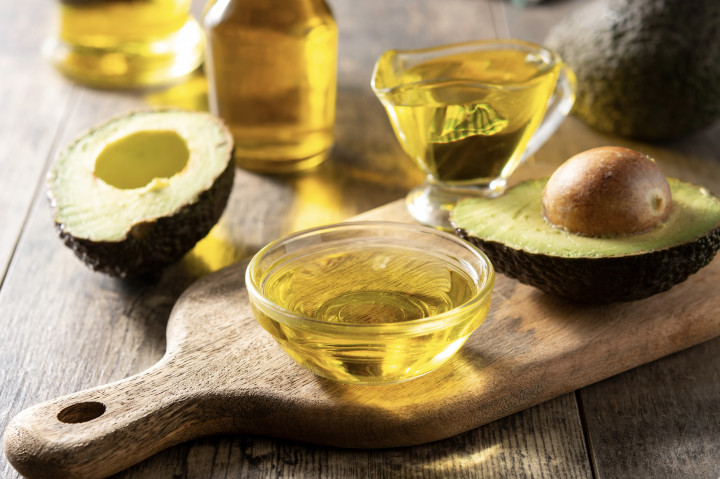
Is keto the key to better exercise performance?
February 20, 2026
By: Joshua Siger
New diets emerge almost daily with a promise to make Americans healthier. Trending now is the keto diet, hailed for its benefits in losing weight and reducing type 2 diabetes. It’s emergence on the exercise scene has also grown recently with claims of “better performance” being touted. In this post, we will explore the keto diet and its potential impact on exercise performance.
What is the Keto Diet?
The keto (aka ketogenic) diet is defined as a low-carbohydrate eating pattern with high amounts of dietary fat, over 70% of total daily calories (Joshi et al. 2019). Such a diet promotes the shift from using carbohydrates as the body's primary fuel source to fats via a process called ketosis (Daley et al., 2025). As a result, the body relies on ketone bodies, a byproduct of ketosis, to energize brain, muscle, and tissue functions.
Will a High-Fat Diet Improve Exercise Performance?
Dietary fat plays a vital role in long-distance and low-intensity exercises like running and cycling. During lengthy activities, fat is used as a “helper fuel” as its composition allows for large amounts of energy to be produced over time (Spriet & Randell 2020). When compared to carbohydrates, fats can produce over 2x the amount of usable energy (Campbell 2017).
However, there are limitations to relying on fats versus carbohydrates for energy production. First, the breakdown of fat into energy is an aerobic process meaning oxygen is needed for this transformation (Hargreaves and Spriet 2020). High-intensity exercises such as sprinting or weight-lifting often lack the necessary oxygen. Second, compared to carbohydrate, the breakdown of fat takes substantially longer (Hargreaves and Spriet 2020). These limitations help explain why carbohydrate is actually the preferred fuel source when oxygen is not available or when quick energy is needed.
What Does the Science Say?
To date, the scientific evidence does not support the keto diet for improving athletic performance. A 2025 research article that reviewed 19 studies found insufficient evidence of improved exercise performance while on the keto diet (Sultan and Speelman 2025). A 2022 review of 63 papers and scientific presentations also found weak evidence to support this diet (Barkell and Genc 2022).
Bottom Line
Dietary fat plays a pivotal role in how our body receives energy during exercise. This is especially true for long-distance or low-intensity activities. However, scientific evidence does not support transitioning to a high-fat keto diet to improve athletic performance. Research consistently shows that appropriate fueling of carbohydrate, fat, and protein will help to energize and achieve one’s fitness goals.
When it comes to navigating nutrition messages, recommendations for individuals are specific and vary based on age, medication use, and diagnosed health conditions. Seeking the advice of a registered dietitian nutritionist can help you sift through messages that promote health vs. hype. To find an RDN, use the Find a Nutrition Expert tool at www.eatright.org.
Reviewed by Lauren Suiter, UGA Dietetic Intern
References
Barkell JF, Genc K. The effects of a low carb high fat or ketogenic diet on athletic performance. 2022. Jou of Phy Fit, Med & Tre in Spo.
Campbell, I. Macronutrients, minerals, vitamins and energy. 2017. Ana & int care med 18(3):141-146.
Daley SF, Masood W, Annamaraju P, et al. The Ketogenic Diet: Clinical Applications, Evidence-based Indications, and Implementation. In StatPearls. Treasure Island FL. StatPearls Publishing. 2025. Internet. https://www.ncbi.nlm.nih.gov/books/NBK499830/
Hargreaves M, Spriet LL. Skeletal muscle energy metabolism during exercise. 2020. Nat met 2(9):817-828.
Joshi S, Ostfeld RJ, McMacken M. The ketogenic diet for obesity and diabetes—enthusiasm outpaces evidence. 2019. JAMA int med 179(9):1163-1164.
Spriet LL, Randell RK. Regulation of Fat Metabolism During Exercise. 2020. Spo Sci Exch 29(205):1-6.
Sultan ZH, Speelman DA. Systematic Review of the Effects of Low-Carbohydrate Diet on Athletic Physical Performance Parameters. 2025. Cur 17(2).
Pledge of Professional Civility
- I pledge to demonstrate respect to my colleagues and all others.
- I pledge to support constructive dialogue and positive engagement.
- I pledge to discourage the public belittling of my colleagues, even when we disagree.
- I pledge to model professional conduct in all my public communications and actions.

Detox or deception? An evidence-based look at milk thistle
February 20, 2026
By: Olivia Luke
What is milk thistle?
Milk thistle is a flowering herb gaining traction as an ingredient in herbal supplements largely because of recent trends in “detoxing” diets and practices. The active component of milk thistle, Silybum marianum, is often available as capsules, either as part of other herbal blends or by itself (NCCIH 2025). What makes the herb so special is the belief surrounding its ability to eliminate toxins, cleanse the liver, or even enhance liver function, which are often claimed on the labels of supplements containing milk thistle (Telbany et al., 2025). Detoxing refers to efforts to remove toxins or harmful substances from the body through special drinks, diets or supplements. The body’s organs, such as the liver, kidneys, lungs, and digestive tract, already know how to filter and eliminate waste without the need for special products. As milk thistle supplements gain popularity for liver detoxification, it is worth questioning their claimed benefits and safety – especially since the human body is already equipped with its own powerful detox systems (AND 2022).
What does the research say?
Research suggests that the anti-inflammatory and antioxidant properties of milk thistle may help protect liver cells from oxidative damage, particularly in those with nonalcoholic fatty liver disease and alcoholic liver disease (Abenavoli et al., 2018). Some trials have shown improvements in liver function, immune health, and balanced blood cell counts on medical tests (Neelab & Muhammad, 2024). Although results are promising at first glance, variability in supplement formulations, dosages, and study designs makes it difficult to conclude whether milk thistle actually contributes to positive effects on the body.
Can I “detox” without supplements?
The liver is the body’s natural detox machine! The liver is responsible for filtering blood, removing toxins, and converting them into safer substances that are excreted from the body. You can support your body’s natural processes by consuming a healthy, balanced diet that includes the recommended daily fiber intake, staying hydrated, and limiting alcoholic beverages (AND, 2022). Milk thistle may support liver function, but it does not replace it.
Bottom line
While milk thistle has shown some benefits in individuals with liver disease, it is essential to remember that a single ingredient will not protect a person from illness or disease. The evidence for milk thistle directly preventing liver disease or relieving its symptoms is limited, as more high-quality randomized controlled trials are needed to provide sufficient evidence of its benefits. The safety and quality of milk thistle supplements vary as they are not FDA-regulated and may cause adverse effects such as GI upset and interactions with other medications (Telbany et al., 2025). Supplements should be used as complements to a healthy lifestyle, not quick fixes. Nothing can replace balanced nutrition, reduced alcohol intake, adequate hydration, and getting enough sleep.
When it comes to navigating nutrition messages, recommendations for individuals are specific and vary based on age, medication use, and diagnosed health conditions. Seeking the advice of a registered dietitian nutritionist can help you sift through messages that promote health vs. hype. To find an RDN, use the Find a Nutrition Expert tool at www.eatright.org.
Reviewed by: Jacob Pursell, UGA Dietetic Intern
References
Abenavoli, L., Izzo, A., Milic, N., Cicala, C., Santini, A., Capasso, R. Milk thistle (Silybum marianum): A concise overview on its chemistry, pharmacological, and nutraceutical uses in liver diseases. 2018. Pythother Res. 32(11):2202-2213.
Academy of Nutrition and Dietetics. What’s the deal with detox diets? January 2022. Internet: https://www.eatright.org/health/wellness/diet-trends/whats-the-deal-with-detox-diets (accessed January 25, 2026).
National Center for Complementary and Integrative Health. Milk Thistle. 2025. Internet: https://www.nccih.nih.gov/health/milk-thistle (accessed January 25, 2026).
Neelab, A., Muhammad, J. Milk thistle protects against non-alcoholic fatty liver disease induced by dietary thermally oxidized tallow. 2024. Heliyon 10(10):e31445.
Telbany, A., Patel, A., Viswanath, P., Paleti, S. Liver cleansing impostors: An analysis of popular online liver supplements. 2026. American Journal of Gastroenterology. 121(1):171-178.
Pledge of Professional Civility
- I pledge to demonstrate respect to my colleagues and all others.
- I pledge to support constructive dialogue and positive engagement.
- I pledge to discourage the public belittling of my colleagues, even when we do not agree.
- I pledge to model professional conduct in all my public communications and actions.

Fresh vs. frozen: Debunking the “fresh is healthier” myth
February 20, 2026
By: Caitlyn Johansson
The Grocery Store Assumption We Rarely Question
You may have heard that fresh produce is always the healthiest choice. In fact, recent behavioral research shows that many consumers have a strong bias that fresh is more nutritious than frozen (Dudley et al., 2025). This belief often discourages the use of other, more readily accessible forms of produce, which does not help address the global inadequacy in fruit and vegetable consumption. While fresh produce certainly provides essential nutrients, scientific research suggests that fresh may not be inherently better. In many cases, frozen vegetables are just as nutritious, or even more so, than fresh produce when nutrient retention is considered.
What the Science Really Says
Studies have found few differences in nutrient levels between fresh and frozen vegetables when analyzed under similar conditions. For example, vitamins C, B2, E, and β-carotene had levels in frozen produce comparable to those in fresh produce for broccoli, spinach, peas, and strawberries (Bouzari et al., 2015). Another study demonstrated that minerals, antioxidants, and fiber showed no significant differences between fresh and frozen fruits and vegetables for the majority of those tested, indicating that freezing does not inherently degrade these essential nutrients (Bouzari et al., 2015). So how is it possible that fresh and frozen foods have similar nutrient contents? The answer lies in how and when they are processed.
From Farm to Freezer
Fresh produce is often harvested before peak ripeness and may travel long distances before reaching grocery stores. During transportation, storage, and time spent on store shelves or in home refrigerators, fruits and vegetables begin to lose nutrients before they can be consumed. Fruits and vegetables contain many water-soluble vitamins that are susceptible to light, heat, and oxygen, causing nutrient degradation over time.
Frozen vegetables, on the other hand, are usually harvested at peak ripeness and flash-frozen within hours. This rapid freezing helps lock in nutrients before they can degrade. A study comparing fresh-stored vegetables refrigerated for 5 days with their frozen equivalents found that fresh-stored vegetables often lost nutrients over time, while frozen vegetables maintained their nutrient content more consistently. In many cases, frozen produce even outperformed fresh-stored produce in vitamin levels (Li et al., 2017).
Bottom Line
Fresh produce is undoubtedly a valuable source of nutrients and an excellent choice, especially when consumed soon after harvest. However, frozen vegetables harvested and processed at peak ripeness retain nutrients effectively and can be nutritionally comparable to fresh. Because fresh produce often loses nutrients during storage and transport, frozen options may even offer superior nutrient retention. Frozen vegetables are a convenient, affordable, and healthful way to help meet daily vegetable intake goals and should not be overlooked.
When it comes to navigating nutrition messages, recommendations for individuals are specific and vary based on age, medication use, and diagnosed health conditions. Seeking the advice of a registered dietitian nutritionist can help you sift through messages that promote health vs. hype. To find an RDN, use the Find a Nutrition Expert tool at www.eatright.org.
Reviewed by Alyssa Johnson, UGA Dietetic Intern
References
Bouzari A, Holstege D, Barrett DM. Mineral, Fiber, and Total Phenolic Retention in Eight Fruits and Vegetables: A Comparison of Refrigerated and Frozen Storage. 2015. Journal of Agricultural and Food Chemistry, 63(3):951–956.
Bouzari A, Holstege D, Barrett DM. Vitamin Retention in Eight Fruits and Vegetables: A Comparison of Refrigerated and Frozen Storage. 2015. Journal of Agricultural and Food Chemistry, 63(3):957–962.
Dudley LM, Saluja S, Stevenson RJ, Francis HM, Case TI. As good as fresh nutritionally but not perceived that way: Implicit and explicit biases towards canned and frozen fruits and vegetables. 2025. Food Quality and Preference, 129:105517.
Li L, Pegg RB, Eitenmiller RR, Chun JY, Kerrihard AL. Selected nutrient analyses of fresh, fresh-stored, and frozen fruits and vegetables. 2017. Journal of Food Composition and Analysis, 59(59):8–17.
Pledge of Professional Civility
- I pledge to demonstrate respect to my colleagues and all others.
- I pledge to support constructive dialogue and positive engagement.
- I pledge to discourage the public belittling of my colleagues, even when we do not agree.
- I pledge to model professional conduct in all my public communications and actions.
Biotin supplementation for hair growth: Miracle or myth?
February 20, 2026
By: Maggie Bullington
Biotin is a popular ingredient in hair growth supplements, but its role in improving hair length and thickness is often misunderstood.
What is biotin? What does it do?
Biotin is a water-soluble B vitamin. It helps the body turn fats, sugars, and protein from foods into energy. Biotin can be found in many foods, including meats, eggs, fish, seeds, nuts, and sweet potatoes. It is also sold as a dietary supplement and is often included in products that claim to promote hair growth (National Institutes of Health 2022).
What research says about biotin and hair growth
Biotin is often included in hair growth supplements, but do these capsules truly lead to longer, thicker hair? Research says yes and no. Studies have been conducted to test biotin’s true hair-growing properties. While some showed improvements in participants’ hair and nails, these were participants who were low in biotin to begin with; those with an average biotin status did not show improvement.
Who might benefit from biotin supplementation?
People with underlying biotin deficiencies may see benefits in their hair and nails following biotin supplementation. Biotin deficiency is often shown through skin rashes, hair loss, and brittle nails, which is why many biotin supplements are marketed to promote hair growth. Other groups of people who might benefit from biotin supplementation are those with underlying conditions that may affect the scalp, such as autoimmune conditions (Yelich et al. 2024).
Bottom line
Overall nutrition status can impact hair growth and thickness. Hair requires enough energy, protein, and vitamins to function correctly. When calories or nutrient intake are lacking; hair growth can be negatively affected. While many biotin supplements claim to improve hair thickness and growth, increasing biotin intake through supplementation does not appear to help people who already get enough biotin in their diet. Eating enough food and meeting overall nutrition needs is more important for hair health than relying on supplements (Trüeb 2016).
When it comes to navigating nutrition messages, recommendations for individuals are specific and vary based on age, medication use, and diagnosed health conditions. Seeking the advice of a registered dietitian nutritionist can help you sift through messages that promote health vs. hype. To find an RDN, use the Find a Nutrition Expert tool at www.eatright.org.
Reviewed by Alyssa Focht, UGA Dietetic Intern
References
National Institutes of Health. Biotin: Health Sheet for Professionals. 2022. Internet: https://ods.od.nih.gov/factsheets/Biotin-HealthProfessional/ (accessed 28 January 2026).
Trüeb, R. Serum Biotin Levels in Women Complaining of Hair Loss. 2016 Int J Trichology 8(2):p 73-77.
Yelich A, Jenkins H, Holt S, Miller R. Biotin for Hair Loss: Teasing Out the Evidence. 2024 J Clin Aesthet Dermatol 17(8):56–61.
Pledge of Professional Civility
- I pledge to demonstrate respect to my colleagues and all others.
- I pledge to support constructive dialogue and positive engagement.
- I pledge to discourage the public belittling of my colleagues, even when we do not agree.
- I pledge to model professional conduct in all my public communications and actions.

Clean eating or clever marketing? The truth about organic produce
February 20, 2026
By: Tara Goff
What is organic food?
The U.S. Department of Agriculture (USDA) labels fruits and vegetables as organic if they are farmed without synthetic fertilizers, sewage sludge, irradiation, and genetic engineering (USDA 2015). Further, a food with the USDA organic seal is certified organic or contains at least 95% certified organic ingredients.
Are GMOs safe?
In the U.S., all genetically modified foods must undergo review by the U.S. Food and Drug Administration (FDA) for safety to human health; developers are required to provide safety data to ensure processing meets FDA standards before being sold (Goodman 2024). Under the U.S.’s product-based approach, in which the final product is viewed as a whole, GMOs do not show adverse effects on human health compared to their conventional counterparts (Domingo 2025).
Are there nutritional differences between organic and conventional produce?
Organic produce has a similar balance of carbohydrates, protein, and fat as its conventional counterpart (Vigar et al. 2019). Although there is some indication that antioxidant levels are higher in organic produce than in conventional produce, the effect of these antioxidants on antioxidant capacity in the body does not appear to be significant (Vigar et al. 2019).
Can consuming organic produce reduce the risk of chronic disease?
Some studies suggest that consuming organic produce is associated with reduced risk factors for poor heart health, including obesity, diabetes, and high blood pressure; however, these studies are observational and cannot provide conclusive evidence (Poulia et al. 2024). Individuals who consume organic foods are likely to follow an overall healthy lifestyle, including a balanced diet and exercise, which also reduces these risk factors. Additionally, it has not been proven that consuming organic foods, compared to conventional foods, reduces the risk of cancer (Poulia et al. 2024).
Bottom Line
Ultimately, the choice to buy organic versus conventional produce is up to the consumer, their preferences, and their abilities. While more research is needed to determine long-term effects, the FDA has regulated the safety of conventional produce for human health thus far. When considering budgetary restrictions, conventional produce is typically more accessible than organic counterparts, and is just as safe and nutritious to consume. As a whole, consuming more fruits and vegetables is associated with a lower risk of chronic disease, and considering the majority of individuals in the U.S. do not meet the USDA’s recommendations for daily fruit and vegetable intake (Lee et al. 2022), it is better to focus on increasing consumption of each in a way that is manageable to the individual.
When it comes to navigating nutrition messages, recommendations for individuals are specific and vary based on age, medication use, and diagnosed health conditions. Seeking the advice of a registered dietitian nutritionist can help you sift through messages that promote health vs. hype. To find an RDN, use the Find a Nutrition Expert tool at www.eatright.org.
Reviewed by Fibia Gee, UGA Dietetic Intern
References
Domingo JL. Genetically modified crops: Balancing safety, sustainability, and global security. 2025. Environ, Res. 286(2):122892.
Goodman RE. Twenty-eight years of GM food and feed without harm: Why not accept them? 2024. GM Crop. Food 15(1):40-50.
Lee SH, Moore LV, Park S, et al. Adults meeting fruit and vegetable intake recommendations – United States, 2019. 2022. MMWR 71(1):1-9.
Poulia KA, Bakaloudi DR, Alevizou M. Impact of organic foods on chronic diseases and health perception: a systematic review of the evidence. 2024. EJCN 79:90-103.
United States Department of Agriculture. Introduction to organic practices. 2015. Internet: https://www.ams.usda.gov/sites/default/files/media/Organic%20Practices%20Factsheet.pdf (accessed 26 January 2026).
Vigar V, Myers S, Oliver C, et al. A systematic review of organic versus conventional food consumption: Is there a measurable benefit on human health? 2019. Nutrients 12(1):7.
Pledge of Professional Civility
- I pledge to demonstrate respect to my colleagues and all others.
- I pledge to support constructive dialogue and positive engagement.
- I pledge to discourage the public belittling of my colleagues, even when we do not agree.
- I pledge to model professional conduct in all my public communications and actions.

Budget-friendly nutrition begins with frozen produce
February 20, 2026
By: Harrison Carmack
A common misconception is that frozen produce isn’t as healthy as fresh fruits and vegetables, but both fresh and frozen varieties can help maintain a nutritious diet. Frozen produce offers affordability, nutrition, convenience, and reducing waste, four factors that make healthy eating more realistic for people dealing with tight schedules and budgets.
Cost Savings
A significant advantage to frozen versus fresh produce is cost, as nutrient-dense berries, leafy greens, or mixed vegetables can be enjoyed without paying premium prices or worrying about spoilage (Ellis 2022). These savings are most evident when certain types of produce are out of season. For example, in February 2026, frozen blueberries at Kroger averaged $2.70/lb. (Kroger 2026a), while fresh blueberries averaged $6.51/lb. (Kroger 2026b).
Reduced Food Waste
Frozen foods also reduce food waste, a hidden cost in many households. Fresh produce spoils quickly, especially for people who cook a few times a week or live alone. A 2023 study by researchers at Cornell University found that households that purchase fresh produce waste it 4.75 times more than households that purchase frozen produce (de Gorter et al., 2023). Frozen foods can be portioned out as needed and stored for months. This flexibility allows people to buy in bulk, stretch their dollars, avoid food waste, and always have nutrient-packed options on hand.
Convenience
Since no washing, peeling, or chopping is required for preparing frozen produce, this convenience can reduce barriers to cooking at home, which is a healthier and more affordable option to dining out (Fouts and Bovee 2010). A bag of mixed vegetables can be incorporated into dozens of different dishes, including pasta, grain bowls, and soups. Frozen fruits can be easily added to smoothies, oatmeal, pancakes, yogurt, or baked goods. These dishes provide affordable and accessible sources of fiber, vitamins, minerals, and antioxidants.
Bottom Line
Ultimately, frozen produce makes healthy, nutritious meals more accessible and affordable by reducing waste, simplifying meal prep, and providing nutrient-dense ingredients at a stable price point. It’s just a reminder that “frozen” doesn’t mean “less nutritious,” and it’s an easy, budget-friendly way to enjoy all the benefits of fruits and vegetables.
When it comes to navigating nutrition messages, recommendations for individuals are specific and vary based on age, medication use, and diagnosed health conditions. Seeking the advice of a registered dietitian nutritionist can help you sift through messages that promote health vs. hype. To find an RDN, use the Find a Nutrition Expert tool at www.eatright.org.
Reviewed by Renee Hutton, UGA Dietetic Intern
References
de Gorter H., Hao J., Just D.R., and Kliauga E. (2023) Measurement of Frozen versus Fresh Food Waste at the Retail and Consumer Levels: A Critical Review and Meta Analysis. Retrieved February 11, 2026 from https://ecommons.cornell.edu/server/api/core/bitstreams/54979bd6-8422-45c2-b943-b5ac8e619376/content
Ellis E. (2022) Frozen Foods: Convenient and Nutritious. The Academy of Nutrition and Dietetics. Retrieved February 11, 2026 from https://www.eatright.org/food/planning/smart-shopping/frozen-foods-convenient-and-nutritious
Fouts D., & Bovee V. (2010) Eating out vs. Eating at Home. Obesity Action Coalition. Retrieved February 11, 2026 from https://www.obesityaction.org/resources/eating-out-vs-eating-at-home/
Kroger.com (2026a) Kroger® Frozen Blueberries. Retrieved February 11, 2026 from https://www.kroger.com/p/kroger-frozen-blueberries-big-deal-/0001111016105
Kroger.com (2026b) Private Selection® Fresh Colossal Blueberries. Retrieved February 11, 2026 from https://www.kroger.com/p/private-selection-fresh-colossal-blueberries/0001111003931
Pledge of Professional Civility
- I pledge to demonstrate respect to my colleagues and all others.
- I pledge to support constructive dialogue and positive engagement.
- I pledge to discourage the public belittling of my colleagues, even when we disagree.
- I pledge to model professional conduct in all my public communications and actions.
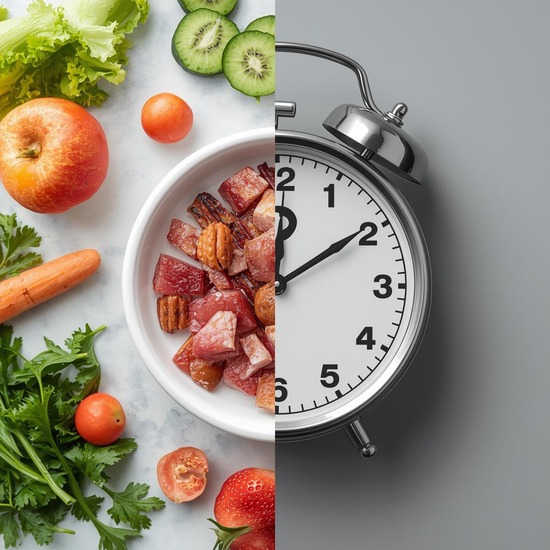
Intermittent Fasting: Supportive or skipping meals in disguise?
February 20, 2026
By: Carsyn Bassett
Intermittent fasting is a diet that has become increasingly popular as a strategy for weight loss, focusing not on what to eat but when to eat. There are cycling periods in which little or no food is consumed, and this is thought to improve metabolic health and enhance longevity. This diet differs from other diets because it is consumed periodically. These periods can last 12 hours up to several days - an extreme side of this diet.
Potential Benefits
One of the primary reasons people adopt intermittent fasting is its potential role in weight loss. During periods of fasting, carbohydrate stores are depleted, and the body begins to burn fat for energy. This is a process known as metabolic switching, which has been shown to reduce fat mass without significant muscle loss (Anton et al. 2018).
Another proposed benefit of intermittent fasting is improved insulin sensitivity. Lower insulin levels during fasting allow the body to use up stored carbohydrates, which may help regulate blood sugar levels. If blood sugar levels are controlled, this decreases the risk of type 2 diabetes. Some research suggests intermittent fasting may benefit cognitive function by increasing certain protein levels in the body that aid in learning and memory (Longo, V. D., Panda, S 2016). Cardiovascular health improvements have also been observed with intermittent fasting, like reductions in including blood pressure, markers of inflammation, and cholesterol levels (Moro et al. 2016).
Potential Drawbacks
Despite these potential benefits, intermittent fasting may not be appropriate for everyone. Restrictive eating windows may increase the risk of nutrient deficiencies if meals are not carefully planned to meet daily recommendations. Hormonal and metabolic effects are another concern, particularly for women. Long fasting periods have been shown to increase stress hormones and disrupt thyroid and reproductive hormone levels, leading to fatigue, slowed metabolism, and menstrual irregularities.
Psychological risks should also be considered. For some individuals, intermittent fasting may contribute to disordered eating behaviors, including food obsession, bingeing, or purging. Additionally, maintaining the structured eating schedule can be challenging due to work, social events, and other lifestyle demands (Ganson et al. 2022). Intermittent fasting may also be unsuitable for athletes or individuals engaging in intense physical activity because fasting can impair energy availability, recovery, and performance.
Bottom Line
Current evidence suggests intermittent fasting may be effective for some individuals but not others, as diets affect everyone differently. Long-term, human research studies are needed to better understand its safety, effectiveness, and applicability across different populations.
When it comes to navigating nutrition messages, recommendations for individuals are specific and vary based on age, medication use, and diagnosed health conditions. Seeking the advice of a registered dietitian nutritionist can help you sift through messages that promote health vs. hype. To find an RDN, use the Find a Nutrition Expert tool at www.eatright.org.
Reviewed by Lauren Suiter, UGA Dietetic Intern
References
Anton, S. D., Moehl, K., Donahoo, W. T., Marosi, K., Lee, S. A., Mainous, A. G., Leeuwenburgh, C., & Mattson, M. P. Flipping the metabolic switch: Understanding and applying the health benefits of fasting. Obesity. 2018. 26(2):254-268.
Ganson, K. T., Douglas, O. P., Murray, S. B., & Nagata, J. M. Intermittent fasting and eating disorder symptoms: A systematic review. 2022. Eating Behaviors, 45, 101614.
Longo, V. D., & Panda, S. Fasting, circadian rhythms, and time-restricted feeding in healthy lifespan. 2016. Cell Metabolism, 23(6):1048–1059.
Mattson, M. P., Longo, V. D., & Harvie, M. Impact of intermittent fasting on health and disease processes. 2017. Ageing Research Reviews, 39, 46–58.
Moro, T., Tinsley, G., Bianco, A., Marcolin, G., Pacelli, Q. F., Battaglia, G., Palma, A., & Paoli, A. Effects of eight weeks of time-restricted feeding (16/8) on basal metabolism, maximal strength, body composition, inflammation, and cardiovascular risk factors in resistance-trained males. 2016. Journal of Translational Medicine, 14.
Pledge of Professional Civility
- I pledge to demonstrate respect to my colleagues and all others.
- I pledge to support constructive dialogue and positive engagement.
- I pledge to discourage the public belittling of my colleagues, even when we do not agree.
- I pledge to model professional conduct in all my public communications and actions.

Meds assist, habits persist: The truth about lifestyle on a GLP-1
February 20, 2026
What are GLP-1 Medications and How Do They Work?
GLP-1 medications have received a great deal of attention for helping people lose weight and improve blood sugar control. Because of this, a common myth has emerged: once you take a GLP-1 medication, healthy eating and physical activity no longer matter. However, while these medications may be helpful tools, research shows they do not replace the need for long-term lifestyle changes.
Let's go back to the basics. GLP-1 medications work by copying the natural hormone glucagon-like peptide-1 in the body (GLP-1). This hormone helps control hunger, slows digestion, and improves how the body uses insulin.Ultimately, this can lead to eating less and losing weight (Kolli et al. 2025; Tokuyama 2025). With that said, it is important to note that these effects happen alongside, not instead of, healthy behaviors. Clinical guidelines and human studies repeatedly show that the best outcomes occur when GLP-1 therapy is combined with nutrition counseling, physical activity, and behavior change (Codella et al. 2025).
Why Lifestyle Habits Still Matter on GLP-1 Therapy
Lifestyle habits matter for several reasons. First, GLP-1 medications do not automatically ensure adequate nutrition. A reduced appetite can make it harder to meet protein, fiber, vitamin, and mineral needs. Without intentional food choices, people may lose muscle mass or experience nutrient deficiencies (Kolli et al. 2025). Additionally, physical activity plays a key role in preserving muscle, supporting heart health, and maintaining weight loss. Medication alone cannot fully provide these benefits (Codella et al. 2025; Tokuyama 2025).
Research shows that when GLP-1 medications are stopped, weight has been found to return if long-term habits haven’t been built. Healthy routines help stabilize weight, improve energy levels, and support long-term metabolic health even if medication use changes over time.
Experts emphasize that GLP-1 medications should be viewed as one part of an overall care plan, not a shortcut. Nutrition education, regular movement, adequate sleep, and stress management all remain crucial for overall health. These behaviors support not only weight outcomes, but also blood pressure, cholesterol, bone health, and mental well-being (Codella et al. 2025).
What the Research Still Needs to Explore
While current evidence strongly supports combining GLP-1 therapy with lifestyle changes, more long-term research is still needed. Future studies should continue to explore how nutrition quality, physical activity patterns, and muscle conservation affect outcomes in people using GLP-1 medications across different ages, genders, and health conditions (Kolli et al. 2025; Mozaffarian et al. 2025).
Bottom Line
GLP-1 medications can support health goals, but they work best when paired with sustainable lifestyle changes. There is no replacement for building habits that nourish the body and support long-term health. When it comes to navigating nutrition messages, recommendations for individuals are specific and vary based on age, medication use, and diagnosed health conditions. Seeking the advice of a registered dietitian nutritionist can help you sift through messages that promote health vs. hype. To find an RDN, use the Find a Nutrition Expert tool at www.eatright.org.
Reviewed by Alyssa Focht, UGA Dietetic Intern
References
Codella R, Senesi P, Luzi L. GLP-1 agonists and exercise: the future of lifestyle prioritization. 2025. Front Clin Diabetes Healthc. 2025, 24(6):1720794.
Kolli RT, Aoutla S, Jyothi N, et al. Rebound or retention: A meta-analysis of weight regain after the discontinuation of glucagon-like peptide-1 (GLP-1) receptor agonists and other anti-obesity drugs. 2025. Cureus 17(5):e94926.
Mozaffarian D, Agarwal M, Aggarwal M, et al. Nutritional priorities to support GLP-1 therapy for obesity: a joint advisory from the American College of Lifestyle Medicine, the American Society for Nutrition, the Obesity Medicine Association, and The Obesity Society. 2025. Am J Clin Nutr. 122(1):344–367.
Tokuyama E. GLP-1s: Miracle drug or missed opportunity? 2025. Internet: https://www.uclahealth.org/news/article/glp-1s-miracle-drug-or-missed-opportunity (accessed 1 March 2026).
The Pledge of Professional Civility
- I pledge to demonstrate respect to my colleagues and all others.
- I pledge to support constructive dialogue and positive engagement.
- I pledge to discourage the public belittling of my colleagues, even when we do not agree.
- I pledge to model professional conduct in all my public communications and actions.